What makes a creative brief actually useful
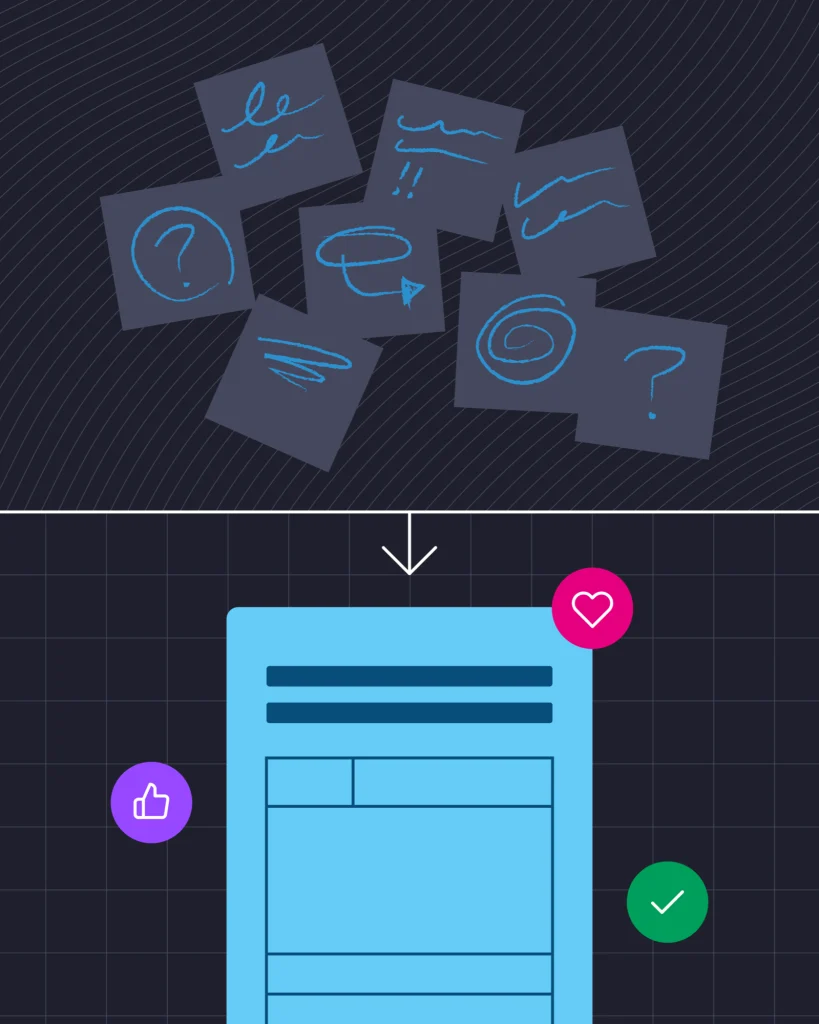
Creative projects rarely go off track because of execution alone. More often, the root cause is a lack of alignment at the start. The audience or message isn’t clearly defined, or success means different things to different stakeholders. That’s where a strong creative brief comes in: not as a formality, but as a way to get everyone on the same page before the work begins.
I sat down with 2A consultant Felip Ballesteros to unpack what actually makes a creative brief useful and how it changes the way teams work.
Q: Let’s start simple. What is a creative brief, really?
Felip: Most people think of a creative brief as a form or a process. That’s where things go wrong. A creative brief is a point of view. It’s your perspective on what you’re building, who it’s for, and why it matters. It pulls from the client’s goals, the team’s experience, and most importantly, the customer’s reality.
Q: Who should own the creative brief?
Felip: It’s a shared process, but it needs a clear owner.
On the client side, you want one stakeholder who’s accountable for aligning internal perspectives. That doesn’t mean they work alone—they should bring input from marketing, sales, and SMEs. But too many voices directly shaping the brief usually leads to something vague that tries to do too much.
On the agency side, we often end up driving the process. In many cases, the brief doesn’t exist when a project starts, so we build it based on the SOW, early conversations, and what we know.
Q: What makes a strong creative brief stand out?
Felip: Two important things! First, it defines how the asset should feel. Not in abstract terms, but in a way the team can actually interpret and execute. Second, it defines what not to do. A good brief narrows the path forward without having to list constraints. It gives direction. That’s what makes it powerful. It’s simple, but it drives decisions.
Q: What are the most important elements to include?
Felip: The specifics matter, but what matters more is how clearly you define them. A strong brief gets very precise about the audience and why they should care right now. Not just who they are, but what’s happening in their world that makes this asset relevant.
It also anchors the work in a real moment. For example, where does this animation show up? What’s happening right before someone sees this first call deck, and what do you want them to do next? If you can clearly connect the audience, the moment, and the outcome, the rest of the brief tends to fall into place.
Q: How does a strong brief impact the creative process?
Felip: It speeds everything up, because the brief forces early decisions. It clarifies the full story up front, not just the asset, but the transformation we’re trying to create. With that clarity, the team isn’t debating direction later. Feedback becomes sharper, revisions are faster, and you get to a solid first version sooner.
It prevents expensive mistakes, too. If you miss something early, you might be reworking design or animation later, and that’s where timelines and budgets start to slip.
Q: Do creative briefs need to be perfect before you start?
Felip: Not at all. A brief is inherently imperfect. Waiting until you have every detail figured out is one of the biggest reasons teams don’t create one. Even if it’s incomplete, it gives you direction. And even if it’s wrong, it’s something you can react to and refine. That’s much better than starting with nothing!
Q: Any advice for teams that struggle to make briefs feel useful or inspiring?
Felip: Focus on conviction, not creativity. A brief doesn’t need to sound bold or innovative, it just needs to make sense. When the brief has a strong, believable point of view, that’s what makes it useful. That’s what gives the creative team something to build on.
Q: Thanks for these insights, Felip! Any final guidance for teams building a creative brief?
Felip: If you’re not sure where to start, focus on asking the right questions to make sure the brief is doing its job:
- Who is this for, specifically?
- Why should they care right now?
- Where and how will this asset be used?
- What are the 2–3 key messages?
- What tone and energy should this have?
- What do we want the audience to do next?
If you can answer those questions clearly, you’re already ahead of most teams. And if you need some expert guidance, we’re here to help.