How audience clarity unlocks better tech storytelling
Recently, we worked with an enterprise data platform company navigating a major market shift. Like many tech organizations today, they were evolving their positioning for the AI era and trying to tell a bigger story about the role their technology plays in modern data infrastructure.
But the messaging kept expanding because the core framework wasn’t built around the audiences or their specific pain points. One asset tried to speak to executives, while another layered in technical details for architects and engineers. Sales teams wanted quick pitch materials, and content teams needed deeper educational assets. The story was trying to check too many boxes, and it wasn’t landing clearly with anyone.
In complex categories like cloud and AI, the technology is sophisticated and the audience is diverse, and it’s easy for messaging to stretch until it tries to satisfy everyone at once.
Start with the audience
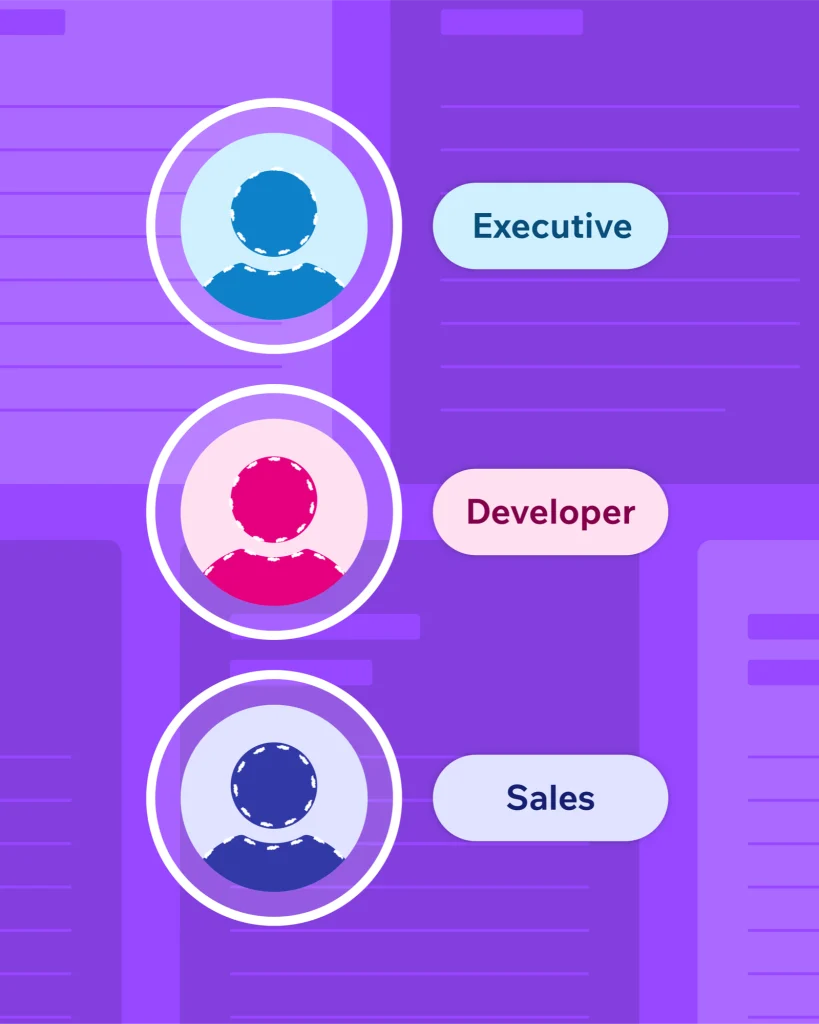
To solve this, we stepped back and defined the core personas the company needed to reach, along with their priorities and motivations. Executives were focused on strategic outcomes like building an AI-ready data foundation and driving measurable business impact. Technical decision makers cared more about development efficiency and how new capabilities would integrate into their existing tech stack.
Once those differences were clear, the gaps in the narrative became obvious. The messaging assumed a level of technical understanding that some decision makers didn’t yet have. The story was starting too far downstream for part of the audience.
From there, we built a narrative framework the entire organization could use. It mapped the core story to each audience and clarified what mattered most to them, from strategic business outcomes to technical proof points. That framework gave teams a shared foundation for everything from executive messaging to developer content.
Clarity creates alignment
When the audience is clearly defined and the narrative framework is shared across teams, the story becomes much easier to scale across campaigns, assets, and channels.
Markets will keep evolving, especially as AI reshapes how companies think about their data strategies. The organizations that adapt most effectively aren’t constantly rewriting their story, they’re using frameworks built around the people they’re trying to reach. And when that foundation is in place, the rest of the messaging becomes much easier to build and evolve as the company and its solutions grow.