Navigating design: How we stick to a brand with or without guidelines
This year has brought a steady stream of new-to-us brands, each with its own style, assets, and way of working. And just like any new adventure, we weren’t quite sure what was in store for us when we set out. Some of these new projects kicked off at the trailhead with just a color palette and a deadline, while others were already at the final mile—sharing polished brand systems and guidelines. We found ways to adapt to both, drawing on our experience as creative problem-solvers and collaborators to guide each project to a strong, on-brand finish.
Whether we’re following a well-worn map or forging ahead on what years of expertise tells us, we’ve learned a few things about how to navigate the process.
Under-developed design toolkits: When we kick things off with a new brand, we typically ask for a design onboarding session where our designers can review available references and identify areas that need clarification. If brand guidelines are light, we’ll look for clues in the wild—published assets, LinkedIn posts, or campaign examples that hint at their intended direction. From there, we guide the conversation: What tone are you hoping to strike? What visual details do you love (or hate)? When the client isn’t sure yet, our designers draw on years of experience and pattern recognition to offer strong starting points and explore multiple options. We help clients see what they want, often before they know how to ask for it.
Well-established design guidelines: On the flip side, when brands have comprehensive toolkits we carve out extra time to go through all available resources. We also ask early on if there needs to be a brand review process, then build that step into our timelines.
And now the fun part! Here’s a snapshot of what we’ve been up to recently:
Neo4j

We riffed in real time, tested a bolder color palette, and reshaped social posts and decks for more punch. Consistent client collaboration kept the work fresh and cohesive across every asset.

We drew inspiration from a file-folder motif and ran with it. It served as the basis for navigating a 70+ page document.
Auth0 (Okta)

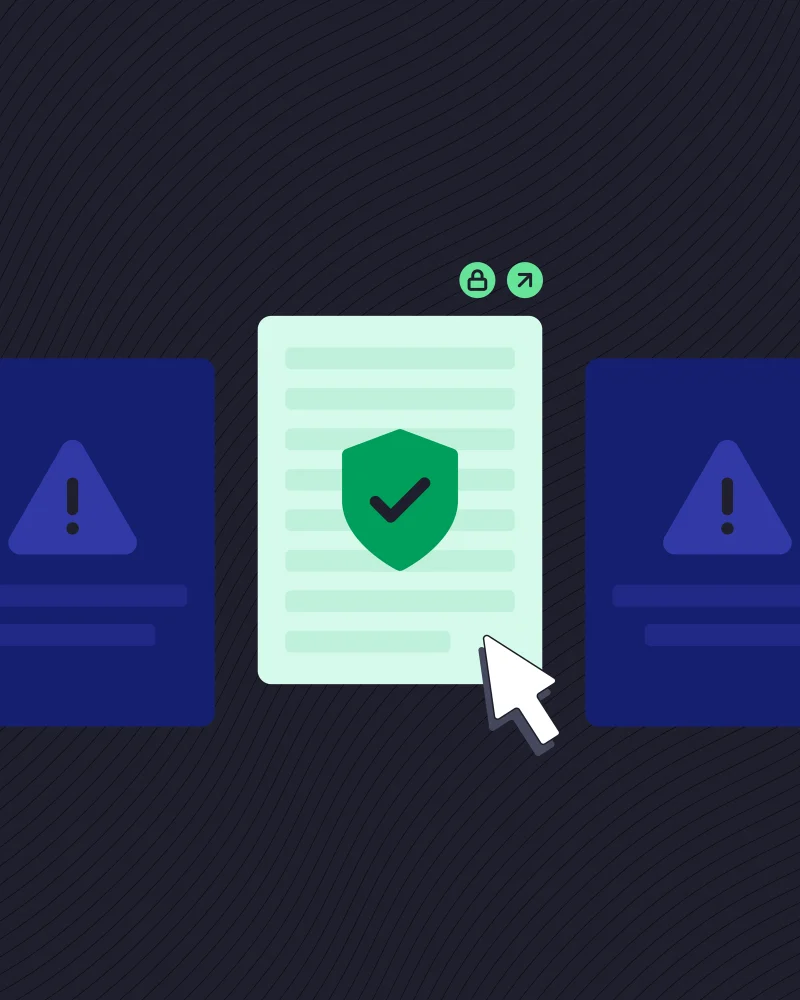
We worked closely with available references and brand cues to shape a visual direction that respected identities of both Auth0 and the larger Okta family.
Carrier

An in-progress Figma from the Carrier brand team became the blueprint for our Lynx design.
Contact our team to speak with a consultant and see more examples of our designs in the wild.