Blog
Internet of Things

05/27/2015

Open the pod bay doors, HAL

By Brett Borders

Internet of Things

If you haven’t heard much about the Internet of Things (IoT), get ready to. I recently attended the IoT World tradeshow in San Francisco and, judging by the array of speakers, products and apps being deployed, the industry is about to unleash a whole bunch of new, how-freaking-cool-is-that technologies. And this was the “second annual” show. Things are still very much in their infancy, so I couldn’t help but wonder what kind of stuff we’ll be seeing at the 15th or 20th iterations of the event.

Samsung was the biggest star and chose opening day to launch their new Artik platform, which promises to give developers the modules they need to build a whole gaggle of gadgets. Other noteworthy products I saw included Adidas, with their miCoach Smart Ball; Muse, with their brain-sensing headband and CHIP, the world’s first $9 computer (because $35 is apparently too much to spend on a Raspberry Pi 2).

As I walked back to my hotel after the show, I passed a movie theater displaying a poster for Ex Machina. It’s a tall tale about an eccentric technology zillionaire who creates a creepy, AI femme fatale robot who (warning: spoiler alert) kills said zillionaire with a sushi knife before escaping to integrate into society with all of us carbon-based life forms. All silly, crazy, fictional stuff, right? Right?

Washington's Wild West

05/12/2015

Washington’s Wild West

By Abby Breckenridge

Washington's Wild West

For years I’ve romanticized the idea of running a business in the old Wild West. There’s something so alluring about the unencumbered entrepreneurship and creativity of a frontier town—see an unmet need, come up with a creative way to meet it, then make it rich. Like selling pickaxes in Deadwood, but without the syphilis and gun fighting.

The daylighting of cannabis sales may be as close as we come to a new market that doesn’t involve product innovation—pot has been around for ages, but for the most part, its trade has functioned outside of legal markets. While Washington State Initiative 502 legalized the sale of cannabis products for recreational use passed in 2012, 2015 marked the beginning of the fun phase for marketers—demand has finally surpassed supply, and telling a story that differentiates your cannabis brand has become a key to success.

Sure, prices are dropping (the average price of legal pot is now $12 per gram, down from $30 last summer), but that’s not the only way to set your product apart. That’s why we’re excited to partner with our client in the modern-day Wild West as they rollout their premium cannabis products. Stay tuned for more details about this new brand as it hits the shelves in a pot shop near you.

Gamification word cloud

04/29/2015

Use gamification to build success

By Renato Agrella

Gamification word cloud

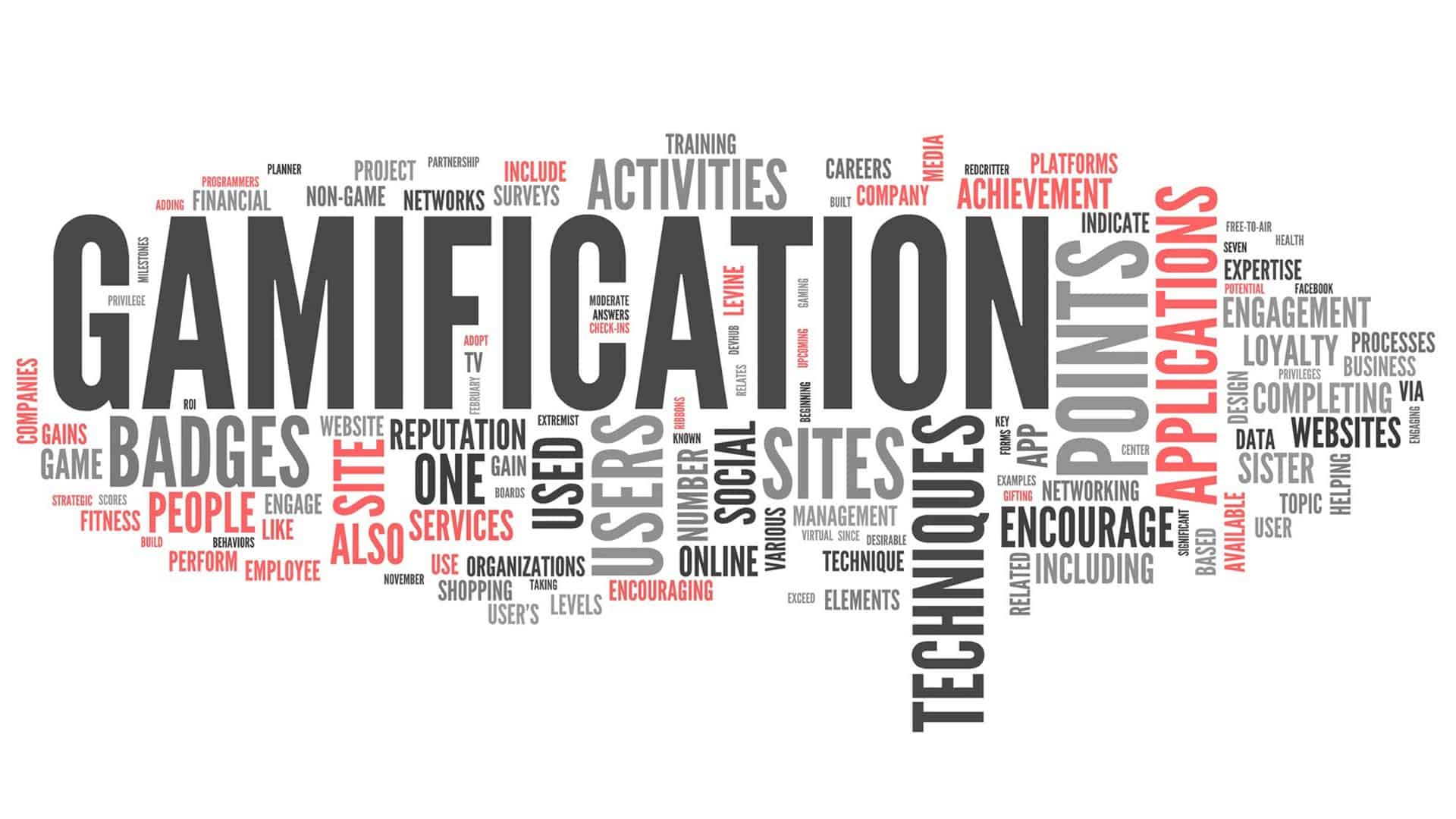
The word “gamification” is a term that has been loosely used that is gaining traction in the enterprise sector lately. Since it is growing in importance, we need a clear definition of what gamification is. According to Wikipedia “Gamification is the use of game thinking and game mechanics in non-game contexts to engage users in solving problems and increase users’ self-contributions”. It is a powerful tool to push content, training, compliance, improve productivity and/or increase sales in your organization.

Mistfit is a very good example of how gamification helps to change people’s behavior. For instance, you can track your activity by yourself in the platform, but the experience is enhanced by its social aspect.  The user is able to add their friends to an activity. This allows everyone to have a common goal and users are competing to be the first to reach the goal. This situation forces all users participating in the activity to increase their activity level in order to be on top of the scoreboard.

This seems like a trivial job but it is not that simple. Here are things to consider when developing a gamification initiative:

Identify Goals: When designing a gamification initiative, identify clear individual goals that are to be achieved through the experience. These goals should include everything one might be able to achieve through the user’s gamification initiative. In addition, the organizational goals should be clear as well.

Find Goal Alignment: Individual goals and organizational goals have to meet at some point to guarantee the success of a gamification initiative. The sweet spot is to find the intersection between the individual and organizational goals, to ensure both are achieved.

Engage Emotionally: It is important that the players are able to emotionally engage with the program. To achieve the best results, find an emotional component that will drive adoption from the users, instead of making engagement a task. For some people ranking at the top of the list is most important, for others, it is getting rewards – badges, points, etc. In any case find what resonates with your players and actively attempt to engage them.

Create the right rewards: Remember the goal is to change a behavior through gaming mechanics. Behavior is intertwined with rewards systems so it is important to be thoughtful about the rewards and the potential outcomes they will create.

Gamification can be a very powerful approach in changing behaviors of users, increasing adoption of your product or educating your workforce. But it is important to pay close attention to individual goals, organizational goals, goal alignment, overlap, emotional engagement and selecting the right rewards to make your gamification initiative successful.

Portland is Happening Now

04/16/2015

Invest in your message

By Theresa Howe

Portland is Happening Now

People in the Seattle area like to think of our city as the top “dawg” in the PNW. And we are. But many of us enjoy visiting our quirky sister south of the state line, Portland.

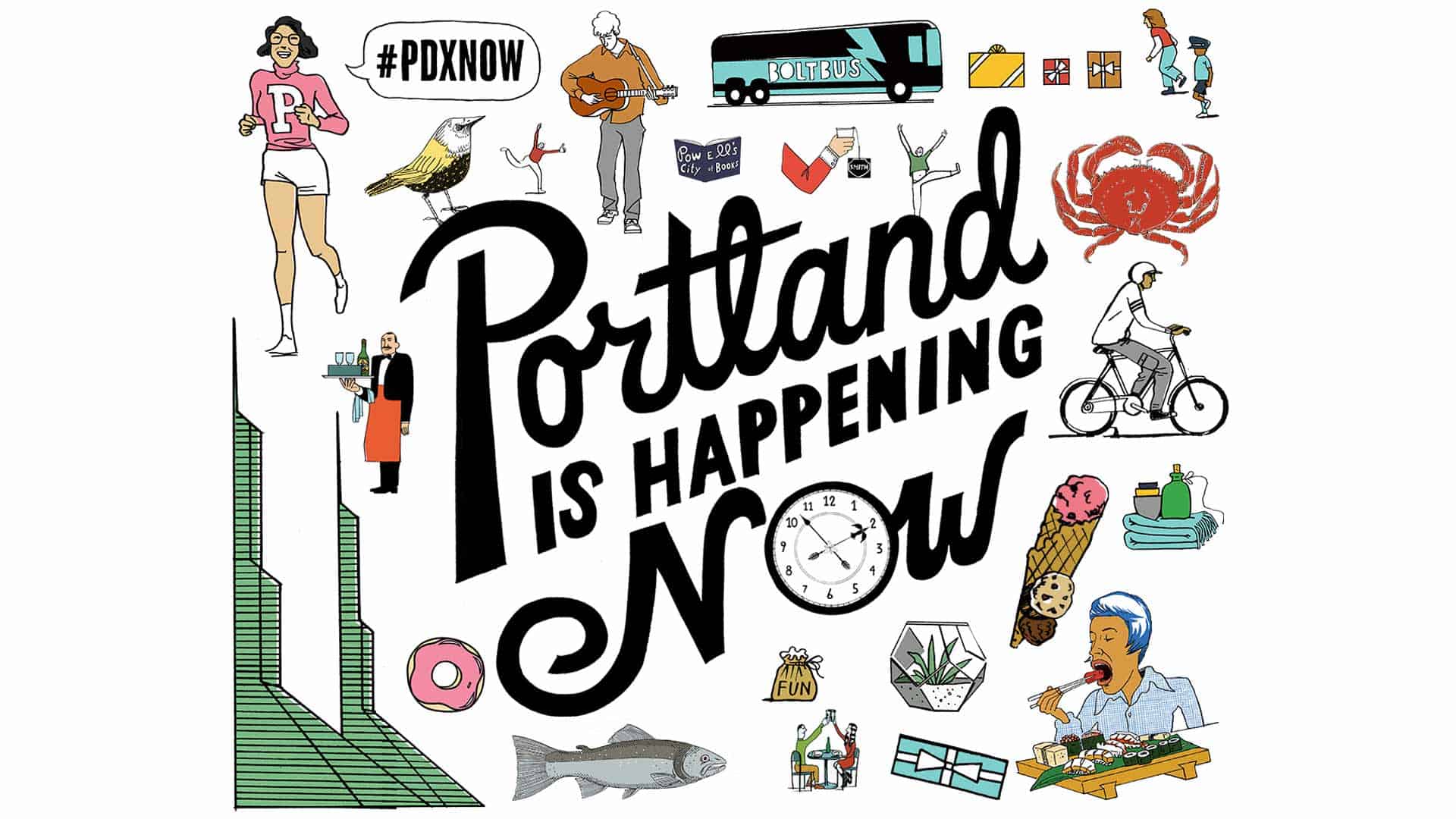
You may have encountered the city’s smart, widespread advertising campaign called “Portland is Happening Now.” The ads are designed to promote tourism and the campaign ramps up during the rainy season. I’ve seen print ads, banner ads online and some savvy TV commercials. They focus on four categories: shopping, dining, music and beer. The ads capture the charm of Portland, from the city’s bike-centric culture, love of bookstores, and hip, tattooed residents.

Travel Oregon has an annual budget nearing $28 million. Travel Portland alone has a budget of more than $15 million dollars.

The Washington Tourism Alliance long term funding plan aims to raise $7.5 million annually to support tourism in the entire state. Visit Seattle doesn’t publically disclose their budget.

It goes to show that you have to invest in telling your story. If you want people to listen to you and love your brand, if you want to build a following, you need to back it up. Make people care. Take the time to carefully craft the tale you want to tell, then make sure you’re telling it on the right channels. Invest wisely and you’ll see the returns.

Do you have a story to tell? Contact us.
Daydream (aka Professional Development Time)

03/12/2015

Daydream your way to the top!

By Kelly Schermer

Daydream (aka Professional Development Time)

Were you aware that you can get ahead by daydreaming? At first blush this sounds ridiculous, but it’s neither snake oil nor a new idea. How many times have you heard, “it came to me in the shower” or “I’ll sleep on it” credited as problem solving techniques? We can probably all agree that letting your brain work without you directing it can sometimes lead to the best answers of all. So why not trust the same mechanism to help you realize life goals?

In Psychology Today , Scott Barry Kaufman, the Scientific Director of The Imagination Institute in the Positive Psychology Center at the University of Pennsylvania, mapped the connection between daydreams and achieving life goals. While there is a lot of serious science behind it – from brain mapping to social research to a 30-year longitudinal study – it comes down to a few pillars of truth that are surprisingly easy to get behind:

1. Not all styles of daydreaming benefit the dreamer equally. Of the three distinct daydreaming styles classified by researchers, dreamers who practice a positive, elaborate, future-oriented daydreaming style are more likely to be successful at reaching their goals compared to those who practice short-term or anxious styles of daydreaming.

2. The practice of daydreaming develops desirable traits for success. A daydream is essentially a simulation that the dreamer must build, sustain and control. The daydream provides an environment in which the dreamer can visualize her success and practice strategies for achieving it. Likewise, daydreaming helps dreamers improve self-control and develop creativity.

3. Being able to focus internally is essential to achieving your goals. With all the external noise from today’s world, it requires real discipline to focus internally (try making that argument to the 4th grade teacher who caught you daydreaming!). This type of focus helps the dreamer establish a balance between internal and external demands, long-term goals and short-term needs, mindfulness and social awareness – all while keeping the dreamer’s life agenda front and center.

For so long, daydreaming has been associated with laziness and a lack of ambition, but that could be an unfair interpretation based achieving short-sighted results (does forgetting bread at the store because you were envisioning being elected to City Council mean you’re not focused or just focused on something more important to you?)

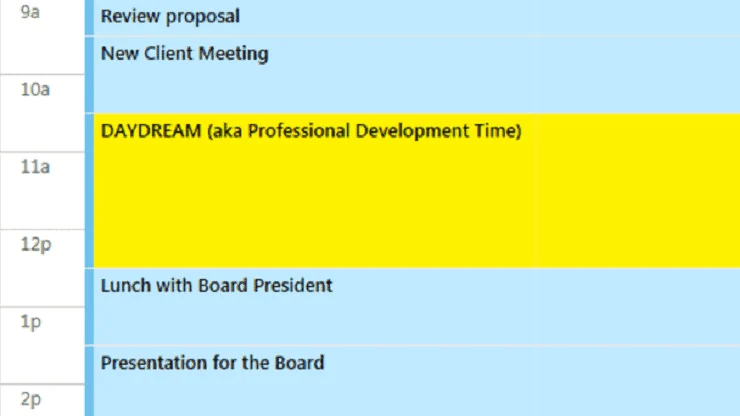
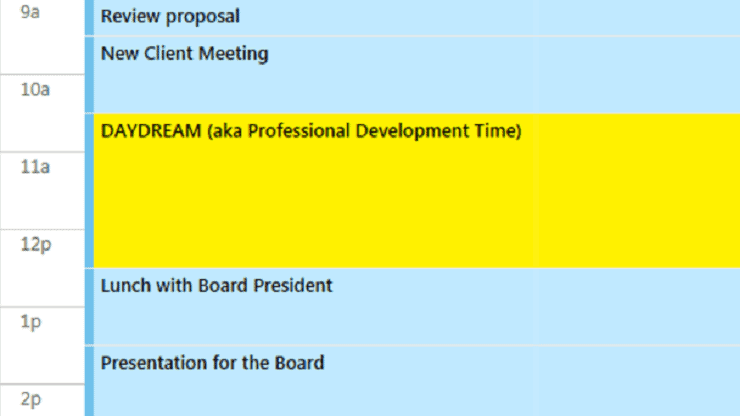
In the long run, it may be that daydreaming actually affords dreamers an advantage over non-dreamers. So why not block out some professional development time in your calendar today, and see where your daydreams take you.

Rise of mobile devices

02/26/2015

The fascinating rise of mobile

By Aditi Mitra

Rise of mobile devices

According to the Ericsson Mobility Report, 97% of US households now have a mobile phone. Mobile phones are becoming increasingly popular because they pack in many services all within a single device – browsers, mail clients, camera, mobile readers. They are quite literally, a one stop shop.

Highly competitive data plans, along with falling prices of mobile devices themselves, are the cause of the increasingly large internet traffic now routed through mobile phones.

The increasing amount of internet traffic that comes from mobile devices (now 25% globally) is being optimized to provide a fine tuned mobile experience and is essential for any business. As about 80% of this traffic is driven by mobile apps, it then becomes crucial to invest in apps for your business. This drives traffic, increases customer engagement, and eventually sales. Mobile voice search, now gaining traction, supports the necessity of having a mobile optimized site.

Mobile ad spending is growing exponentially in large part, thanks to 4G LTE networks and sophisticated credit markets. A classic example is Facebook. With no mobile ad revenues until as recently as 2011, Facebook’s mobile ad revenue at $1.95bn makes up two thirds of its total ad revenue as of Q3, 2014.

The penetration of, and utility therein of mobile devices, doesn’t stop at highly developed markets. In India, mobile internet traffic now outweighs personal computer traffic, and m-commerce marketing strategies have become the crux of any e-commerce company. In Africa, mobile payment systems are all pervasive, a major catalyst for microfinance. In underdeveloped nations, with infrastructure issues, mobile device penetration actually overtakes fixed line device penetration.

Mobile is in fact, technology for everyone, everywhere.

Summed up beautifully by Benedict Evans of Andreessen Horowitz: Mobile is Eating the World

12th Man flag

02/10/2015

Five lessons from the 12th man

By Abby Breckenridge

12th Man flag
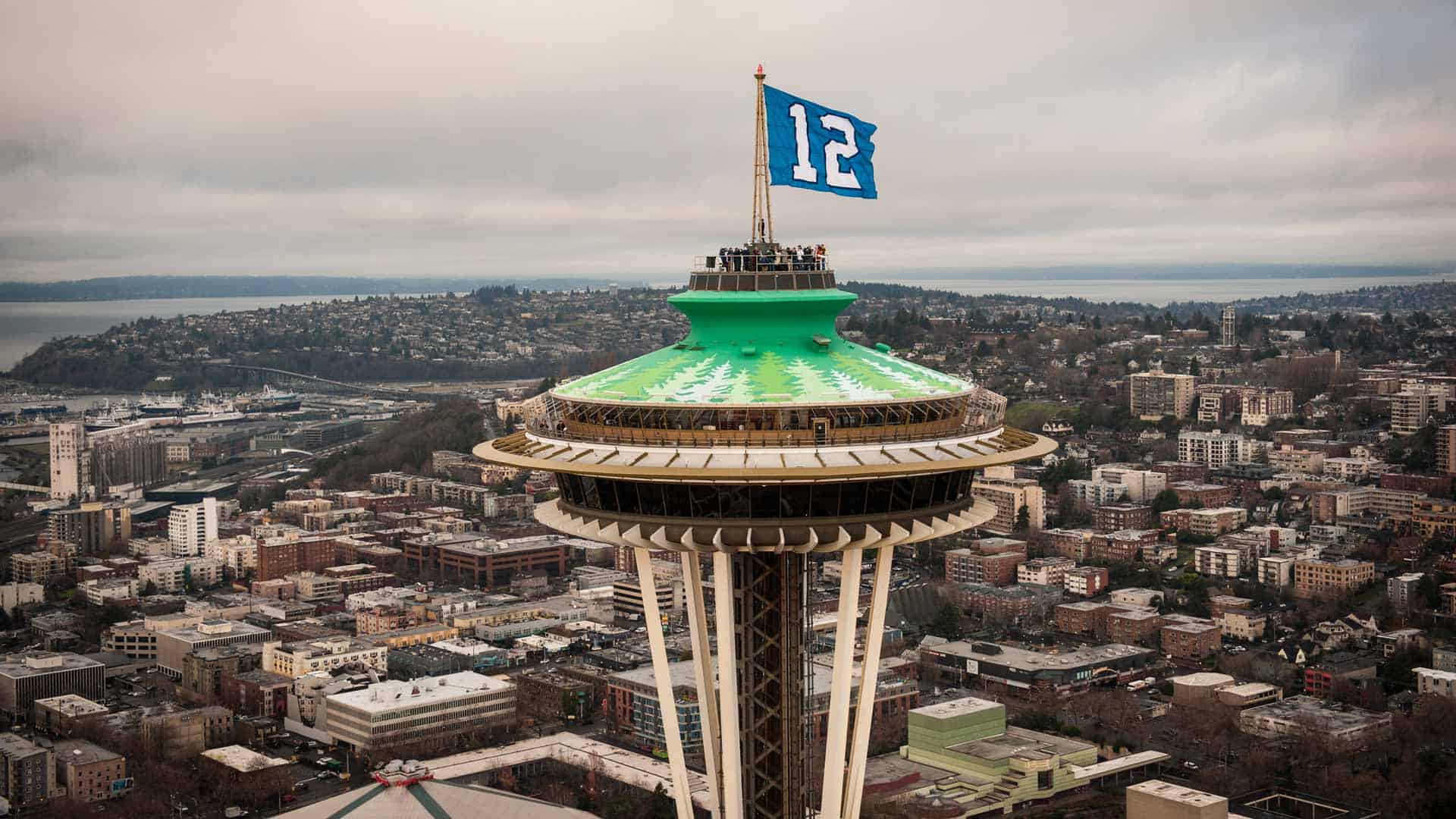
  1. Stay on message. Repeat. To quote and learn from the strategic Marshawn Lynch, a la Beast Mode, “I’m just here so I don’t get fined,” a phrase he repeated 29 times at media day. We hear you, Marshawn.
  2. Merchandise, merchandise, merchandise. Is it just me or is 12th man paraphernalia rivaling Frozen gear? We bought 12th man bourbon at Trader Joe’s and a friend gave me Seahawks-themed Glassy Babies, which I love. Seize the opportunity to extend your brand, or ride on the coat tails of someone else’s.
  3. Richard Sherman is smarter than you are. Smart employees drive interest in your company, so hire up.
  4. Homemade earthquakes generate buzz. Optimize your retail environment to allow for the creation of unexpected groundswells of support for your business.
  5. Everyone wants to be a part of something. This is true even if they dislike sportsball. Cultivate brand evangelists by giving your audience something to be a part of.
Walter White ad

02/04/2015

Not so super ads for the 2015 “big game”

By Theresa Howe

Walter White ad

This year, the theme was try and make the viewer cry. The Seahawks performance was enough to do just that for most people who were pulling for them. The ads themselves had little to nothing to do with the products being shilled, and leaned heavily on nostalgia to impart some yearning or greater message.

The best “message without a product mention” award goes to the Always Commercial themed around the common insult that one does something “like a girl.” Their message that doing things like a girl should be celebrated is spot on and they nailed it by airing this ad during the most male-machismo event of the year. Will more than half the population shrug this message off? Probably. But Always cited the fact that girls’ confidence plummets during puberty, which is a very real consequence of being shamed for having a female body. Like many of the other commercials aired during the event, it was highly dramatic and didn’t mention their product, but at least seemed to have a point.

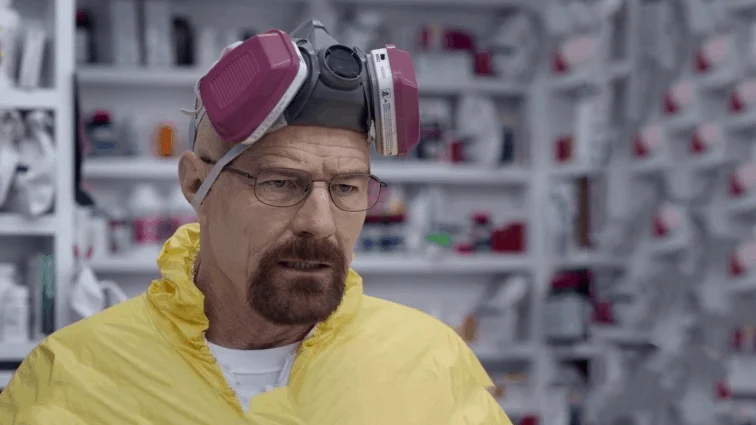
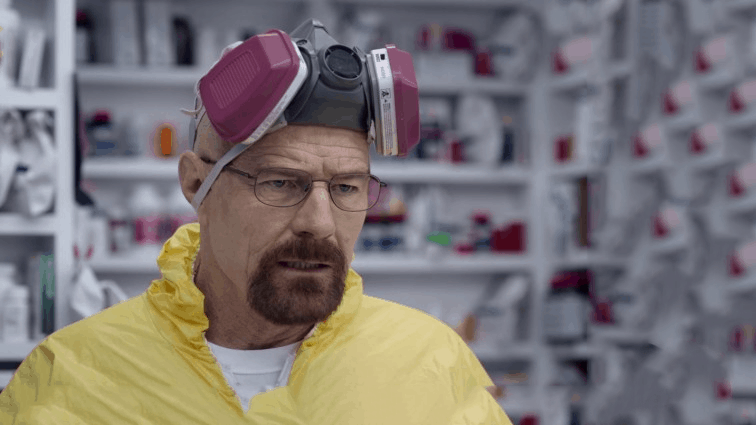
For me, the best overall ad was by Esurance, with their “sorta you isn’t you” spot featuring Bryan Cranston. Maybe it’s because my sister’s a pharmacist, or maybe I just binge-watched all of Breaking Bad last summer, but can you imagine Walter White in full meth-making gear doling out your prescription medication? This line was perfect: “We’re both over 50 years old, we both used to own a Pontiac Aztec and we both have a lot of experience with drugs, sorry, pharmaceuticals. So. Say my name.”

I still have no idea what a lost puppy has to do with Budweiser, or how the tortoise drove the Mercedes. Not that great ads have to have to be strongly realistic, but give me something. The best line from a completely non sequitur commercial was the Dodge ad featuring centenarians – ”Keep your eyes open, and sometimes, your mouth shut.” Did it make me want the car? No. I found the elders amusing, but, much like the product, not persuasive enough that I’m going to drop $30,000 on the new Challenger.

I’ll admit I watch the game for the game, not the ads. The game was close but disappointing from my perspective. The ads were largely overblown and not advertisements for any product, but message statements. Is the drama of the “big game” so much that we’re going toward brand loyalty through politics and heartstrings, but products aren’t even worth mentioning?

Paccar Hall, Foster School of Business, UW

01/29/2015

Back to school

By Theresa Howe

Paccar Hall, Foster School of Business, UW

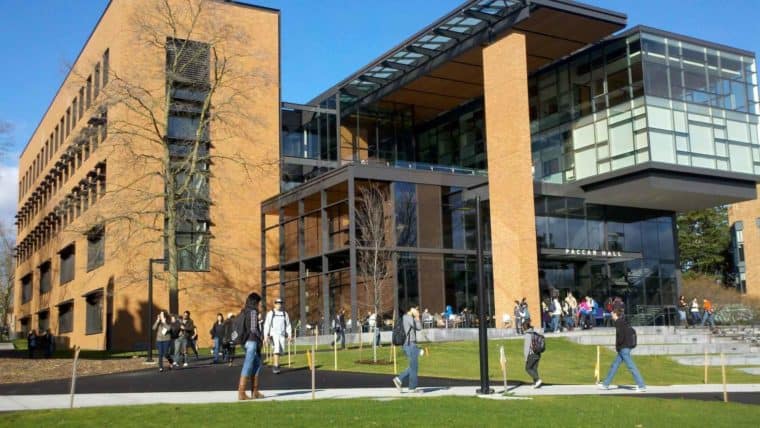
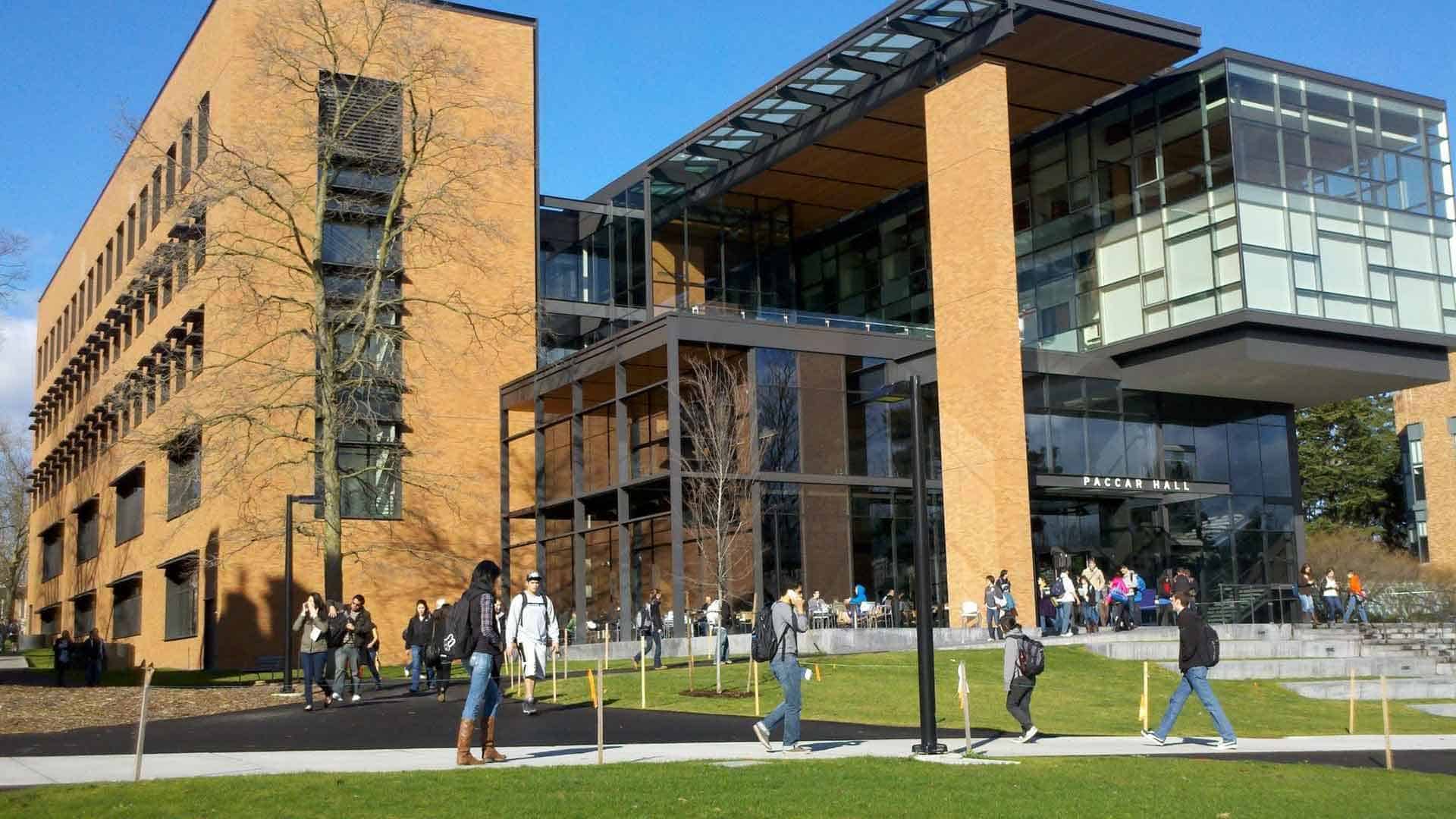
Recently, Renato, Abby and I returned to the University of Washington’s Foster School of Business for a “Meet the Firm” event, where we chatted about our work and aspirations to a group of graduating MBA students. We’re all Foster alumni, and remember attending many of these events during our time as students.

We hope to find some students who are interested in joining the 2A team as we continue to grow. The team building process is a careful journey, but returning to our roots at UW gives us the confidence that the people we’re talking to have great character and the excellent preparation afforded by the Foster experience.

Having graduated less than a year ago, the journey back to campus felt to me like a typical day from last year, albeit far more relaxing for me now than it was then. It was nice to run into friendly faculty and visit staff I worked with during my time in the MBA program.

Most exciting though, was to be able to share the experience of being part of the 2A team with people from this year’s graduating class. It’s great to see them interested in our work, asking excellent questions about our growth. The MBA program is an intense, stressful and rewarding process. I spent two years wondering what my next move would be, trying to land in a position where I could excel. I’m extremely happy I ended up as a member of the 2A team. I’ve learned a lot in my first five months, enjoy each work day, and look forward to continuing my growth as 2A expands into the future.

Interested in learning more about 2A? Let’s talk!

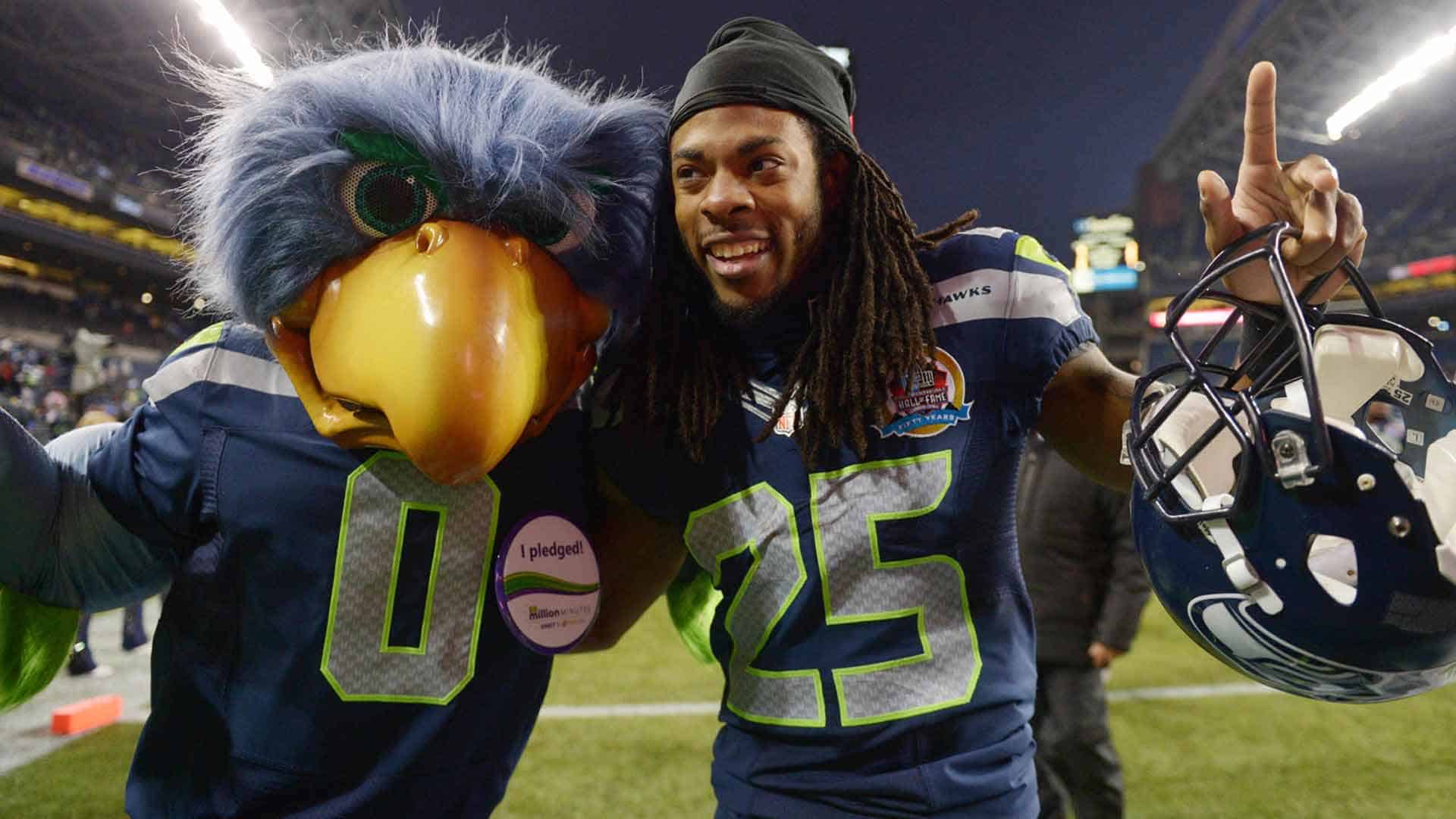
Blitz the Seahawk

01/08/2015

It’s playoff season – ready for the ads?

By Theresa Howe

Blitz the Seahawk

If you were near Seattle during the NFL playoffs in 2014, you can’t forget Blitz vs. Miles.

Why do I love the “This is SportsCenter” ads so much? Part of the fun comes from the fact each ad is set up to look like a scene from a familiar office environment, but with a twist. Scott Van Pelt steals Lebron James’ chair, Metallica auditions to write intro music for ballplayers, and rotund Western Kentucky University mascot Big Red tries to squeeze through the window of NASCAR driver Brad Keselowski’s car to catch a ride home. The ads make us laugh and appreciate that taken out of context, the things we so readily accept as a natural part of the sporting landscape, are in some sense, ridiculous.

And yet we keep watching. Though I am no longer much of a fan of the show itself, as it’s gone the way of focusing on rampant speculation rather than reporting on actual sporting events, I still love the commercials.

As we prepare for another playoff season, and another set of the most watched commercials of the year on Super Bowl Sunday, think about how to use self-awareness to delight your audience. Poke a little fun at the abnormalities in your market, exploit exaggerations in the characters you deal with, and remember that people love to have fun.