Blog
Self-made Jesus of all trades

07/11/2018

Self-made Jesus of all trades

By Katy Nally

Self-made Jesus of all trades

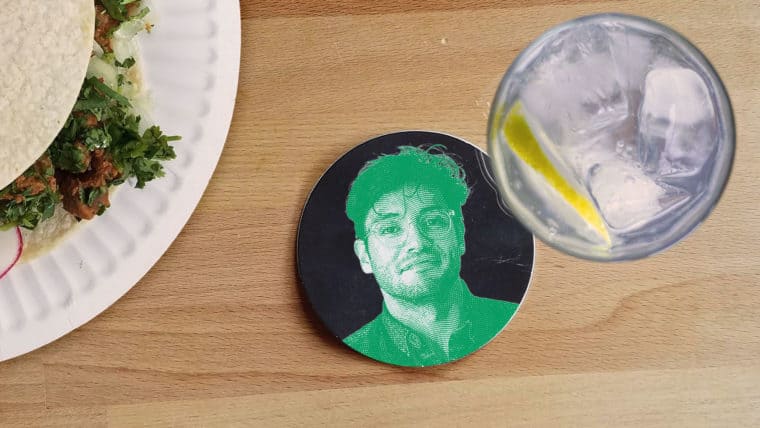
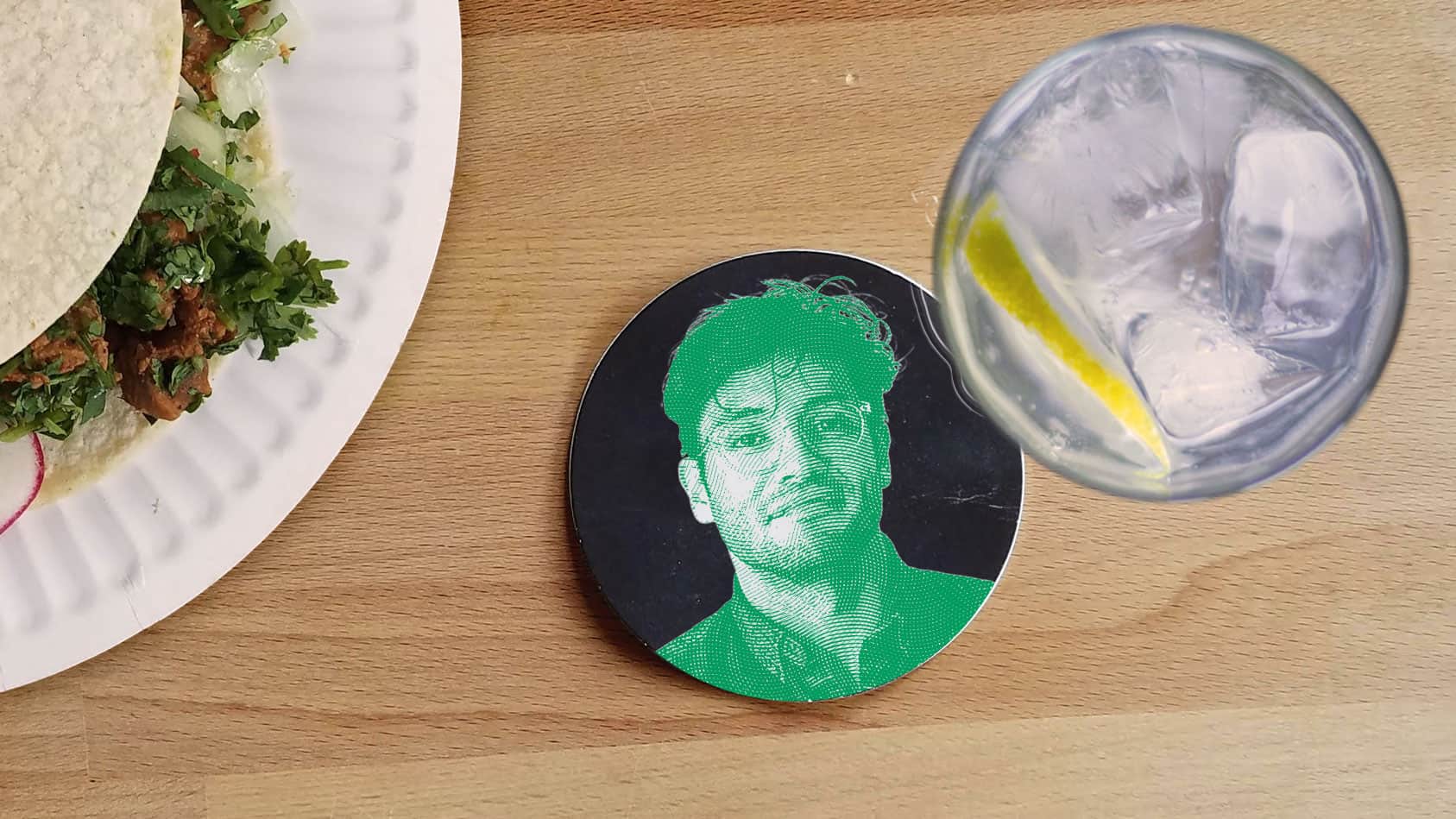
What’s a jack of all trades look like these days? Coined by Shakespeare’s critics who were jealous he was both an actor and playwright, the phrase conjures someone slamming a blacksmith hammer with one hand and slaying a rabbit with the other. That can’t still be true…unless we’re in Portland. If Jesus Terriquez Camarena is any indication, today’s jacks are a little hipster, resoundingly well liked, and known for their wellspring of quick wit and moxie.

Data guru by day

His medium is data, and like Shakespeare, he can make it sing. For Microsoft, Jesus dove into seas of go-to-market data to track patterns and harpoon campaign outcomes. His degree in economics and sociology from Washington State University trained him to look beyond the dashboard and understand how data points fit into the big picture.

Bartender by night

You can’t become a jack of all trades by slowing down! For a year now, Jesus has worked as a bartender in Ballard on the weekends. At first he took the job because he wanted to learn how to make cocktails, but stuck with it even after he mastered the menu. Nights as a barback maintain the frenzied pace Jesus needs to thrive.

Mechanic on the side

Growing up in Tijuana with his industrious mom as his role model, Jesus learned the value of keeping things running. Though he got in trouble for taking apart calculators (and putting them back together) he learned a lot in his self-taught mechanics 101, which eventually helped him pay off his student loans. In college he fixed brakes and calipers at a machine shop because, why not? These skills came in handy when he started a taco truck business with a friend after graduating.

Just when it doesn’t seem possible to cram any more skills into one person, Jesus masters another trade. There’s no doubt his know-how can help your business too.

We know when to be strategically silly and creatively stoic: the yin yang that drives our gang

07/05/2018

We know when to be strategically silly and creatively stoic: the yin yang that drives our gang

By Kelly Schermer

We know when to be strategically silly and creatively stoic: the yin yang that drives our gang

Remember that one ad with the farmer in the dusty field and the cooing baby that took your breath away? Remember what it was for? Or what it wanted you to do?

Yeah, I don’t either (but I guess beer, or maybe trucks?).

I would ask if you remember the ad that told you exactly what you needed to know but was so boring you didn’t read it…only I didn’t read it either….so…

When it comes to marketing—whether it’s an ad, an animation, an ebook—there are endless ways to miss the mark. Some agencies do striking but empty, while others do focused but bland. At 2A, we believe there’s a third option that uses creativity and strategy to captivate and connect.

A lens for bringing stories into focus

It’s natural to want to think of creative and strategic as synonyms for design and content, but that’s not how it works for us. At 2A, creativity and strategy come long before design and content. They fuse together to make a single inseparable lens through which we view our client’s situation.

You’ve probably experienced a right brain/left brain gridlock that ended in a compromise no one really wanted. Imagine instead a fluid progression of ideas in which creativity and strategy hone one another for the purpose of defining what needs to be accomplished and determining how best to bring it to life. By using them together, they can take you someplace new.

It’s creative strategy or strategic creativity or really some fused-hybrid thing all its own. It’s the foundation from which we build the content and design that come together to create a story.

An approach used by everyone                              

No one person owns our process at 2A. It’s everyone’s approach—our designers think strategically; our consultants get creative. While it may upend traditional agency roles, it’s who we are. It’s how we captivate and connect.

Ideas, words, pictures and the way they intersect matter to us. Let’s see what we can make them do for you.

Keep your KPEyes open

06/20/2018

Keep your KPEyes open

By Jesus Terriquez Camarena

Keep your KPEyes open

You’ve built your datasheet, consulted channel owners, memorized the plan of record, and picked out your favorite shade of carmine (it’s #D70040). You’ve launched your campaign. Now the data is rolling in, but there’s one problem: your KPIs aren’t lining up with last year’s numbers. But don’t panic, let’s trace your steps.

Try to avoid small snags

As the clock winds down on your campaign, a variety of reporting issues can make themselves apparent. But what was the root cause? Maybe an attribution channel was misaligned. Or your analytics servers were overwhelmed. Did you miss a decimal? Some technical mishaps can be abated by planning ahead. For instance, arranging for additional servers to process extraordinary traffic to a page. Other times you just have to shift around subsets in your spreadsheet to better fit your channel taxonomy. Some issues might need a little detective work—like that piece of creative with a wild-card UTM tag that caused missing traffic.

Dig into the bad baselines

Sometimes it’s none of those things. Your process was bulletproof, but the figures from previous campaigns are the culprit. Ask yourself: Were the KPIs from your previous campaign built from the exact same data components? Were they reported within a comparable timeline? What exactly was behind the calculation of these de-granularized, cleaned up, figures?

Give your plan of record some love

When comparing against campaign results that have been condensed into a short and simple after-action report, the resulting KPIs can be stunning but shallow. Without more detail on how these highlights came to be, it’s impossible to draw accurate campaign-to-campaign comparisons. That’s why your campaign brief or plan of record should include a detailed explanation of not only your high-level KPIs, but also the constituent subsets (and, yes, omissions). 

Break the cycle of inadequate KPIs

We fall victim to unreliable KPIs because, as marketers, we always want to distill a campaign’s best story. Whether it’s an unexpected highlight or a sought-after KPI, the competing pressures of brevity and business impact push us to showcase the most impressive milestone achieved. This is perfectly acceptable for a high-level narrative, but when project managers and analysts reference highlights, it can lead to incorrect assumptions about your next campaign.

So next time, consult the raw data of your campaign series and take in reporting factors such as timeframes and the subsets that make up your impact figures—the data behind the data. It’s a simple concept that can spare you and your team headaches down the road.

Amplifying the voices of Summer Search

06/13/2018

Amplifying the voices of Summer Search

By Shvéta Ahuja

Amplifying the voices of Summer Search

It might have been the way she carried herself but I thought she was very tall. Her sari was always perfect and she had thick-rimmed black glasses that lived on the tip of her nose. She was quick-witted and worldly and might have read every book in the library. I felt honored when Shobha ma’am, my high school English teacher, took a special interest in me and imparted her life lessons and suggestions for new books. She was my first official mentor and she filled my mind with the possibilities of different careers.

In helping Summer Search promote their annual luncheon gala recently, these memories of my high school role model came flooding back. Summer Search provides professional mentoring for students from low-income communities throughout the U.S. High school can be tough. It’s even harder to make it to graduation if certain factors create a disadvantage and contribute to higher rates of dropping out. Through Summer Search Seattle, students in South King County are paired with mentors, and given guidance and support to help them finish school.

For nonprofits such as Summer Search, storytelling plays a significant role in helping them garner interest and attract donors. Summer Search is full of stories of students braving adverse situations and succeeding with help from their mentors and summer experiences. At the gala this year, the team wanted to share students’ stories and showcase the unique bond between mentors and mentees. We helped them put together a presentation and three-minute audio recording that played during the luncheon. In a dark room of about 600 people, students’ and mentors’ voices took the audience through their Summer Search journeys.

I am proud that we support Summer Search and all the work that they do. And I’m grateful for my English teacher and other mentors like her who are there at the right time to listen, guide, and support students to become the best versions of themselves!
Homework for a word worker

06/01/2018

Homework for a word worker

By Abby Breckenridge

Homework for a word worker

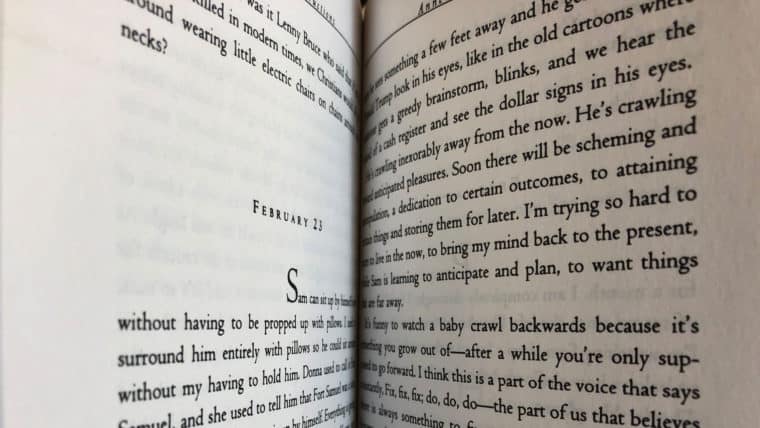
It had been three years and two days since I had read a book for pleasure. I know that with specificity because it had also been that long since my water had broken with my first child. I had read countless parenting books, New York Times articles, food blogs and Pete the Cat books, but I was in an undisputable pleasure-book drought. 

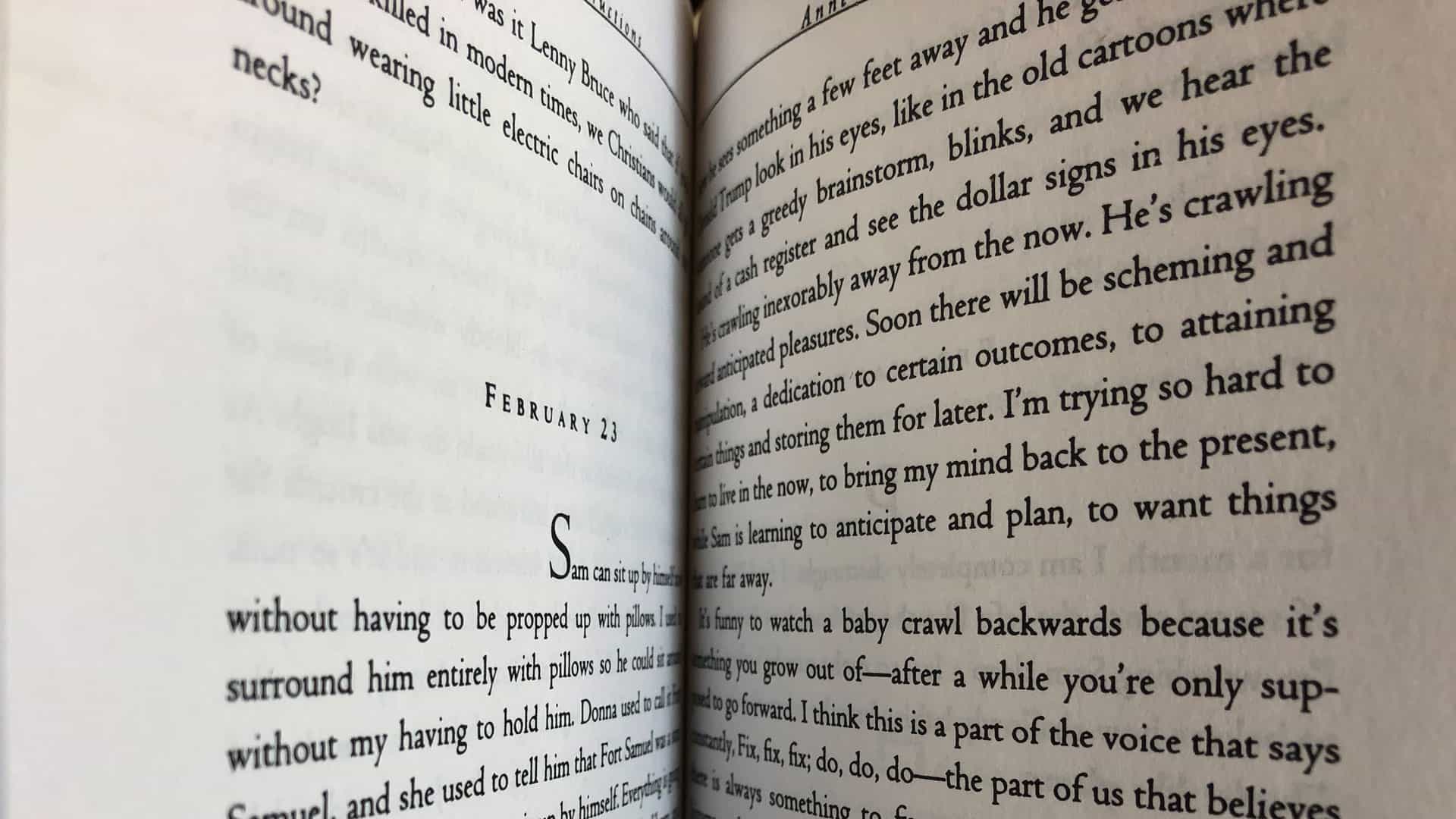
Packing up my kids to leave a three-year-old’s birthday party, my girlfriend and mother of the guest of honor handed me a well-pawed copy of Anne Lamott’s Operating Instructions. “Have you read this? You should.” I grabbed it, shoved it into my basket of diapers and little jackets and brought it home. Then I read it. And I loved it.

It wasn’t so much that the book itself was amazing (which it was), or that it’s premise of recounting the first year of being a mother was speaking directly to me and my needs (which it did), but that I was reminded of a different way of writing—fresh sentence structures, unexpected vocabulary, alternative ways of getting to a point.

As a marketer, I work in words—drafting, scheming, refining to craft stories long and short that help our clients connect with their audiences. My adventure into Anne Lamott’s world reminded me how important it is for my work—and my wellbeing—to read books for pleasure. My creative instinct gets a refresh when I read pieces written for purposes other than drumming up business.

While my life as a business owner, wife, mom of two littles, home cook and occasional exerciser doesn’t leave me a ton of time for pleasure books, I’ve made it my homework to always be working through something interesting on my nightstand. Right now, I am plugging through David Levithan’s The Lover’s Dictionary, a novel written as an alphabetical series of definitions. It’s blowing my mind and making me better at my job. What’s your homework?

Build 2018

05/18/2018

Connecting developers to Build

By Veronique Serruya & Kyle Luikart

Build 2018

The world is becoming a computer,” Satya Nadella told a packed conference room full of developers at this year’s Build conference. “In our homes, in our cars, at our work, in our stadiums, in our entertainment centers, every industry…are all being transformed.” And this massive digital transformation has connected us like never before—bringing people and platforms together worldwide.

Microsoft’s roadmap for connectivity unites individuals through Azure, AI and Microsoft 365. Satya described this future on stage at Build, while behind the scenes, our 2A team worked on some connectivity of our own—bringing Build to an online audience.

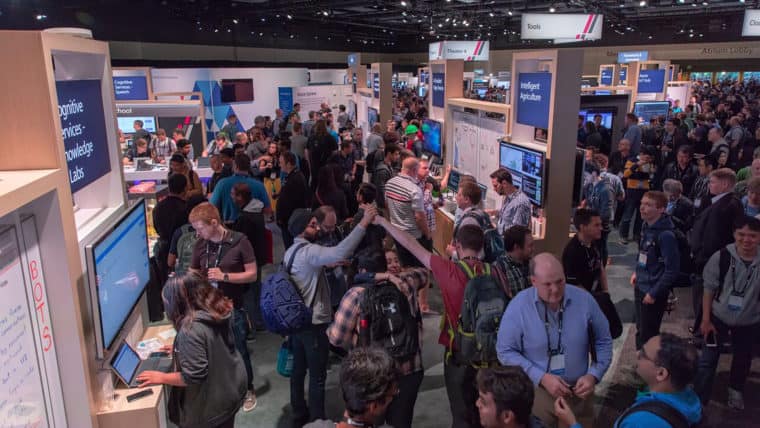
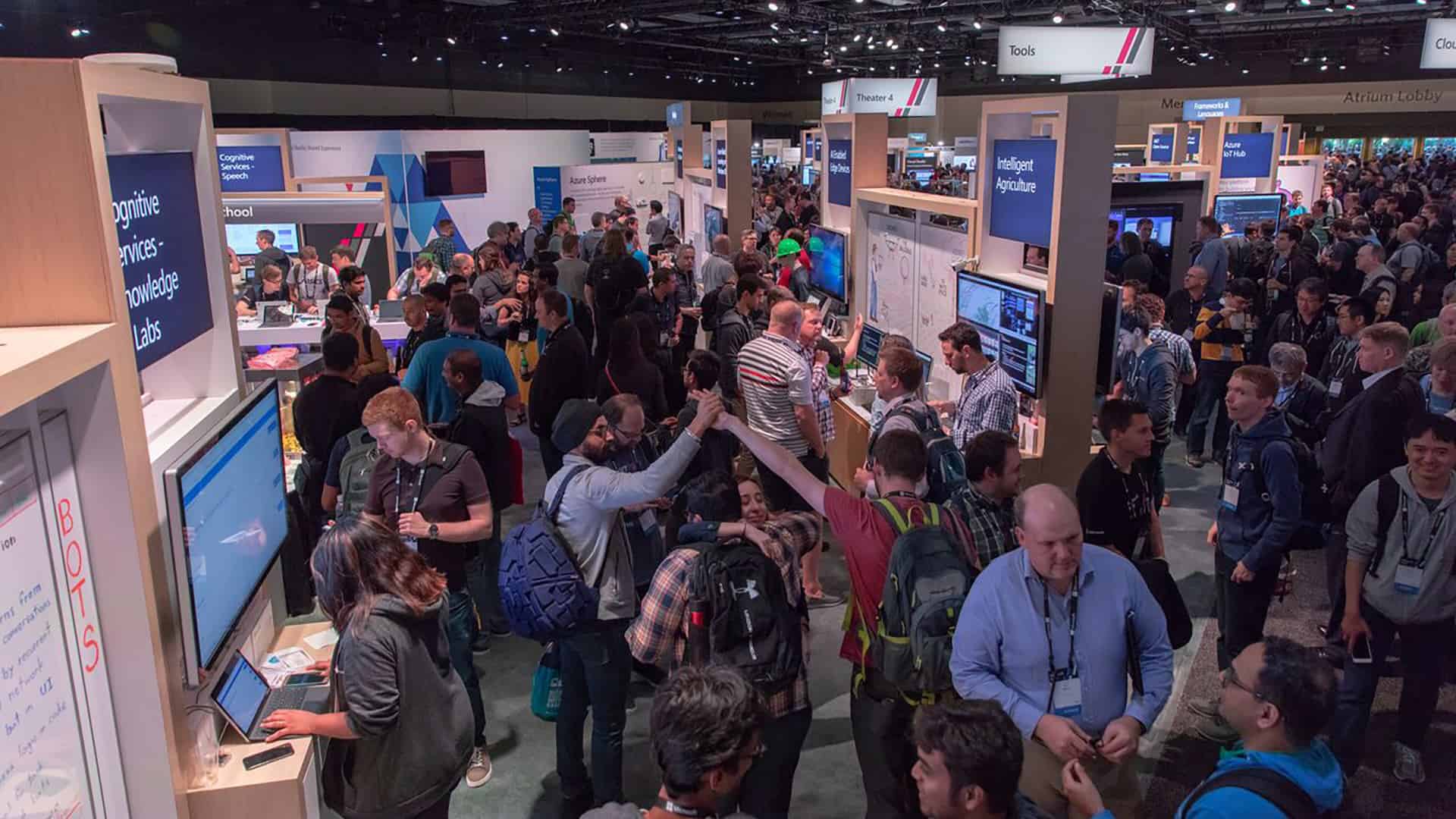
Build is Microsoft’s three-day conference that celebrates developers. Roughly 5,000 attendees stormed the Washington State Convention Center in Seattle this year, and another 73,000 registered for the online experience. 2A has helped coordinate Build for the past three years—supporting everything from booth hardware to presentation prep.

This year, we rolled in a new level of connectivity, developing the Build Live website that houses videos and presentations from hundreds of different sessions. Our team of developers and designers built the site, adding in functionality for users to favorite specific presentations and create playlists of multiple sessions. Holed up in the war room, our project managers orchestrated the Build Live experience, ensuring keynotes were streamed live, content was uploaded and online visitors could participate in Q&As.

We were energized to be part of Build and thrilled that the website saw more than 600,000 unique views. Now it’s time to start planning for next year!

Need some help boosting connectivity at your next event? We know how to bring your on-the-floor experience to digital participants. Let’s connect!

Riding shotgun in a freight elevator

04/30/2018

Riding shotgun in a freight elevator

By Katy Nally

Riding shotgun in a freight elevator

Lately, my skyline view of Seattle has taken on a War of the Worlds vibe, with a dozen robotic, yellow cranes slowly coaxing partially-constructed condos and office towers to life. As of January, Seattle had the most cranes of any U.S. city—an indication of the massive development boom and citywide growth spurt.

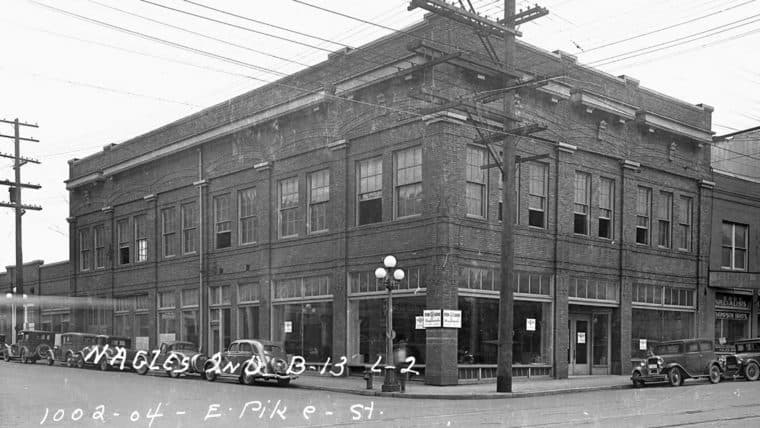
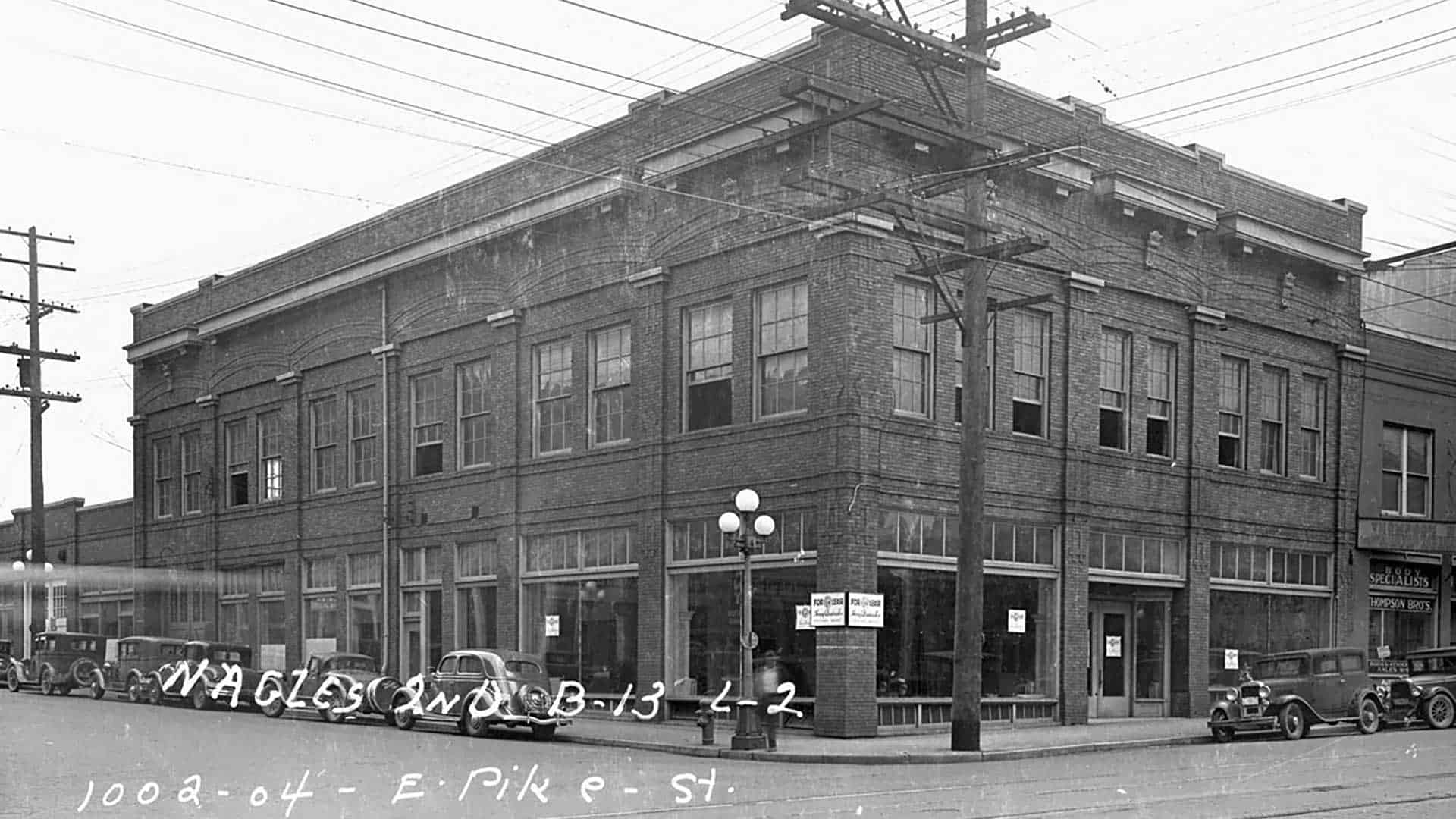
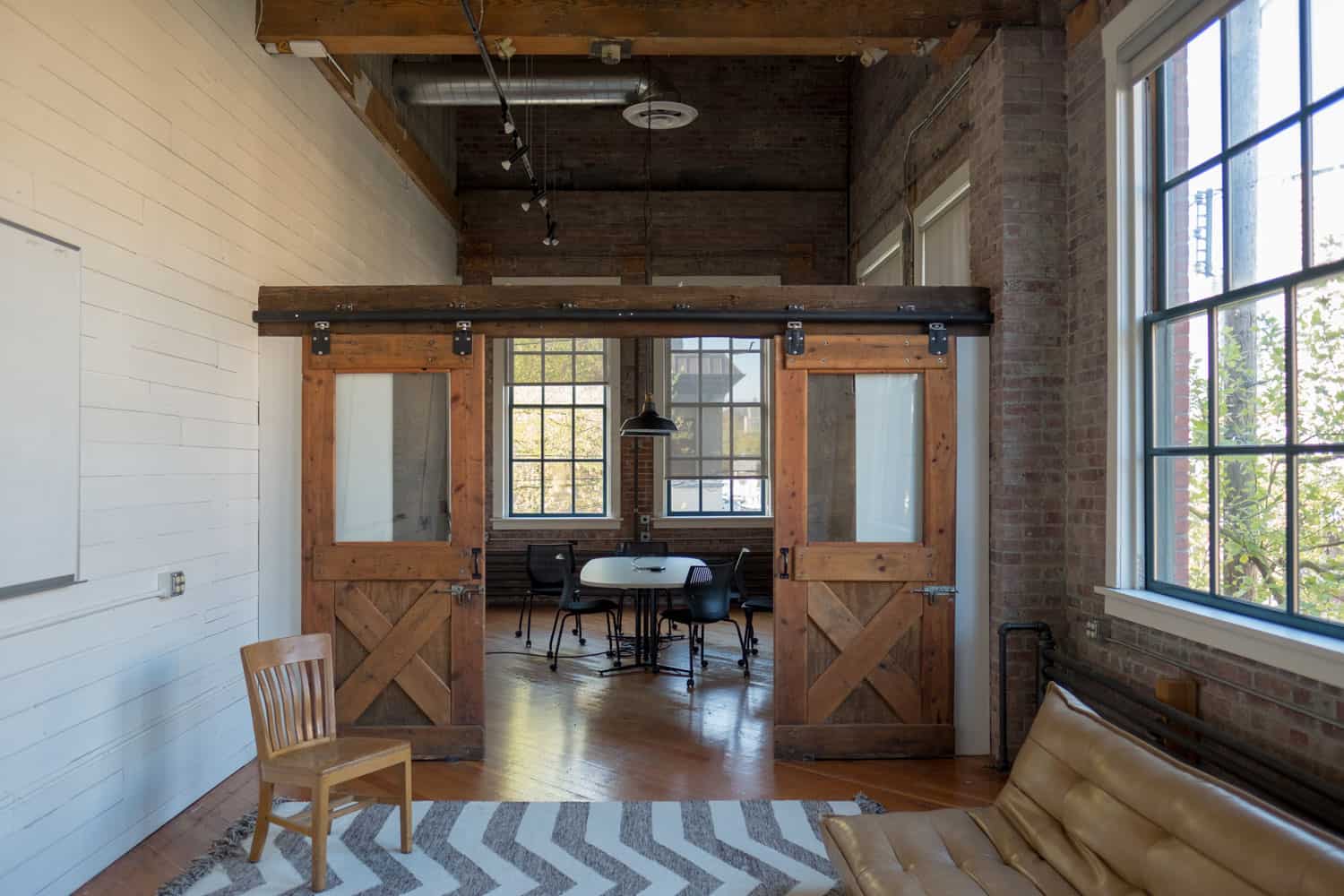
We’ve followed a similar trend at 2A. Founded in 2014, we’ve doubled our business each year, to the point where we outgrew our office space last month! But while the city invests in new construction to house its newcomers, we’ve opted for old construction for our new home. We’re still in Capitol Hill—this time our office is inside an old car dealership building. It was the right move for us, and we have a few things in common with the new, old space.

Attention to detail is alive and well

They just don’t make ‘em like they used to, right?! There are a lot of details to appreciate in our new home—the arched row of bricks that hover above our 10-foot windows like eyebrows, or the Douglas fir floorboards that were painstakingly nailed in place long ago. This attention to detail is something we take to heart at 2A, and it aligns perfectly with our mantra to “touch every pixel” before our work goes out the door. Being surrounded by such craftsmanship is a good reminder to take pride in the details.

Stories are sacred

If these walls could talk… As a relatively new city, Seattle doesn’t have a particularly long history, but it’s cherished in a way that keeps it relevant. Built in 1912, the Pierce Arrow Motor Car Company used our office space as its showroom. Several other car dealerships followed suit after Pierce Arrow, until REI adopted the space in the 1960s as its headquarters. Just like us, our new home knows the power and allure of stories.

Quirky is good

One of the main draws of old buildings is their character. Whether that means the hot water doesn’t work, or the floor is slowly sinking, a building’s character sets it apart and fuels its intrigue. Our new home isn’t quirky to a fault, but there is a charming freight elevator circa 1900 that probably doubles as a time portal, I just have to find the right switch. At 2A we treasure our characters, and know that personality is what makes us stand out.


1508 10th Ave. isn’t the newest building on the block, but we’ve found our best fit in an old space.


decorative image

04/19/2018

The Pros of Cons: Good vibes from Seattle’s comic cons

By Mitchell Thompson

decorative image

Conventions are an important channel for many businesses, and we’ve certainly contributed to these huge events by building keynotes. But there’s another, much more fun side to conventions—the comic con! You’ve probably heard of the massive San Diego Comic Con, but there are hundreds of similar conventions around the world. This year I attended two Seattle conventions, Emerald City Comic Con (ECCC) and Sakura‑Con.

Drawn to con

Each convention has a different focus that draws different crowds. Despite the eponymous focus on comics, ECCC has a more general pop-culture tilt, encompassing TV shows, movies, books, video games and more.
Sakura refers to the blossoms of Japanese cherry trees (seen locally in such places as the UW quad), referencing its narrower lens on Japanese media.
Whatever their focus, the positive energy and enthusiasm on convention show floors is contagious.

It’s official

From miles of comic-book-back-issue longboxes to hard-to-find DVDs, to vintage action figures, there’s no end to what’s available on the floor. At Comic Con, I love to get my comics signed by the authors and artists who worked on them—it’s a fun physical collectible I can keep. Plus, getting to hear behind-the-scenes anecdotes deepens my appreciation for the craft. Some cons even invite celebrities. This year I took a photo with Christopher Lloyd and the DeLorean time machine.

Meet and greet

On the crowded convention floor the main activity is interacting with others. These people are dedicated—willing to travel from hundreds of miles away to take part in the experience and meet like-minded fans.

You may have heard of cosplay—a fancy term for dressing up as a character from something you love. As Adam Savage eloquently put it in his TED talk, cosplay is where we are “injecting ourselves into a narrative that meant something to us.” It’s a physical, personal embodiment of what you enjoy. I may not know many people in my day-to-day life who enjoy JoJo’s Bizarre Adventure, but when I dress up as a character from the series I can quickly find fellow fans. Cosplay has even led me to friendships that continue long after the con runs its course.


Fan conventions are a wonderful celebration of all the things I enjoy. Attending Seattle’s conventions were one of the highlights of my year, and I’m already coming up with ideas for next year.

Reversing roles

04/04/2018

Reversing roles to become the client

By Nick Dwyer

Reversing roles

Empathy isn’t a word you hear a lot in business. We’re led to believe that business can be cutthroat, and success comes from relentlessly pursuing your goals without much concern for others.

Well, we disagree. Empathy in the business world is about understanding people and the marketplace around them, which is often the difference between success and failure. Good consultants empathize with clients. It’s a practice we take to heart, and something we experienced firsthand recently with a little role reversal.

The tables were turned when we worked with students through the MBA Applied Strategy program at UW’s Foster School of Business, which links students to consulting projects from local businesses. MBA students apply coursework to real-life business challenges, and sponsor companies benefit from an outside perspective with fresh skills.

We had the ideal real-life project. A friend of 2A is working on creating an eSports business, and we’ve been providing some marketing support to get his idea off the ground. We’ve had exposure to eSports through projects with Xbox and ASTRO Gaming, but an external group could test our assumptions and uncover research. After nine weeks our MBA team delivered a professional presentation that improved our understanding of the industry, but we learned even more from serving as the client.

My biggest takeaway from this role reversal is that we assume clients have lots of control, but in fact they may not. Even a dream client cannot control unforeseeable circumstances like new information or business strategies. This experience also reaffirmed that clients are very busy, and that managing your own job while working with consultants can feel like double duty.

There is no magic bullet to solve these challenges, but effective and efficient communication helps greatly. It can help us understand clients, save their time, and respond with work that better fits their needs. Focusing on empathy can make all the difference, and the right communication can be the vehicle to satisfying clients.

Teamwork makes the dream work

03/21/2018

Teamwork makes the dream work

By Sarah Silva

Teamwork makes the dream work

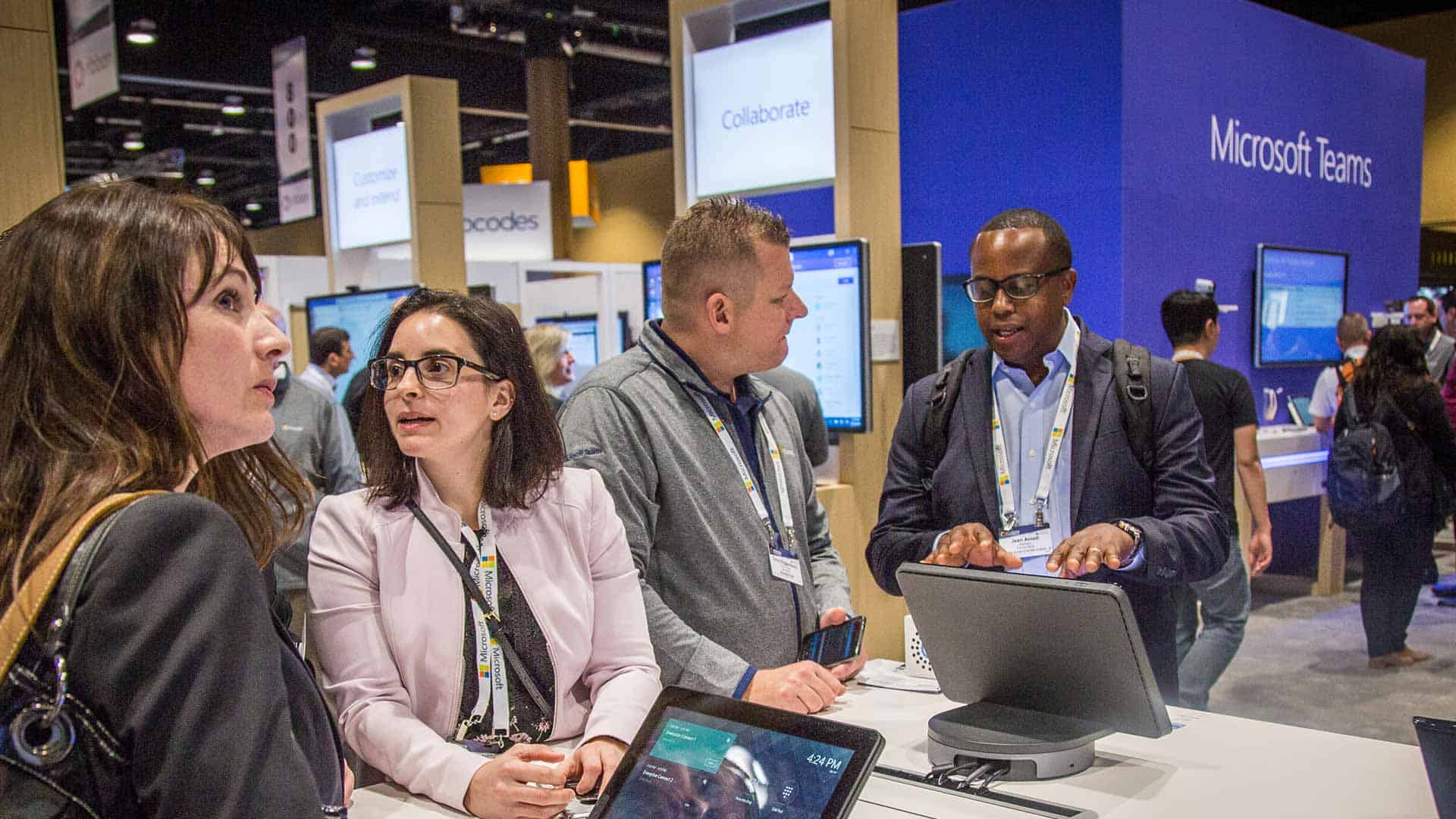
Watching March Madness can help you appreciate the importance of a good team. A basketball team can be highly ranked going into the tournament, but if they can’t execute, they can easily find themselves on the losing end of a Cinderella story (looking at you, UVA!) At 2A, we know a great team can make all the difference, which is why we love projects that bring together a diverse team of consultants, designers, animators, videographers, developers and project managers. And sometimes our team works together on Microsoft Teams, on a project about Microsoft Teams. Yeah, it can get pretty meta.

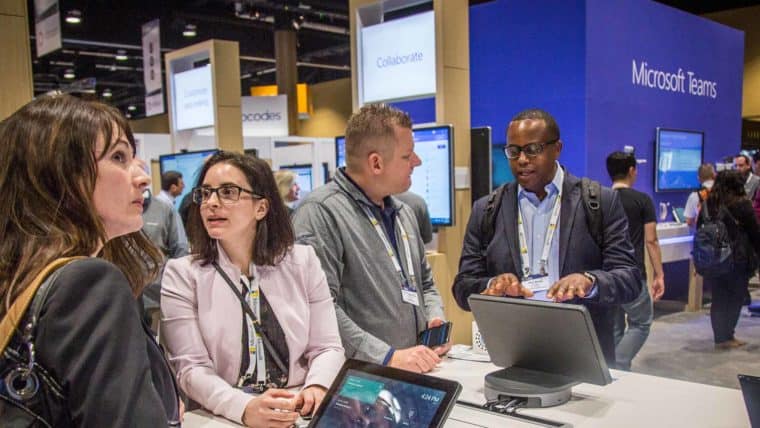
This month the Microsoft Teams group headed to the annual Enterprise Connect conference, which focuses on enterprise communication and collaboration. Microsoft Teams wanted to showcase all the ways that Teams is the hub for teamwork and celebrate the product’s one-year anniversary. 2A was excited to provide cross-functional support on a variety of activities including video recording and editing, web development, and production and project management.

We had videographer Andre on site to film a special episode of Teams On Air, the broadcast that showcases the latest and greatest from Teams and its partners. With all the great footage he captured on the floor and during interviews, we were able to quickly deliver a new episode. We might be biased, but we think his video and editing skills, combined with great hosting from our client, made this episode a slam dunk.

Our Teams On Air project manager, Mary, used her knack for organization to lead a smooth production process. She managed all things Teams On Air, from arranging speakers and preparing locations for live interviews, to mapping the show flow and getting social media content ready.

To allow people to watch the Enterprise Connect keynote remotely, Teams needed a website to host the keynote address from Bob Davis, CVP of Office 365. Our developers quickly created a website that could support all three phases of the livestream: count down to the keynote, livestream, and post-keynote video hosting.

2A loves working as a team and enjoyed executing a full-court press on deliverables for Enterprise Connect. Whether your next project requires technical web development, great multimedia, or a project management component, 2A has the dream team to take your project to the next round.