
Blog
Leadership training

10/19/2017

Mastering effective communication, one self at a time

By Kelly Schermer

Leadership training

While storytelling is a form of communication, it turns out that communication is so much more than telling a good story. A few weeks ago, Anya Jepsen, Executive Coach Extraordinaire, conducted a companywide training for 2A on the topic of effective communication.

We talked about how self-mastery practices can make us more effective communicators—at work, at home, even in our own heads. Essentially, self-mastery is the art of thinking about how our brains are thinking before we communicate. Here are three heavily paraphrased theories I’ve started using as mantras to try to improve my communication:

1. It’s only failure if you don’t learn from it
According to Carol Dweck Ph.D., there are two types of mindsets. People with a fixed mindset think they are born with a set amount of intelligence, athletic ability, musical aptitude, etc. People with a growth mindset believe they are born learners capable of improvement. An organization’s culture can act like a mindset. We can either judge one another for having failed or we can view failures as opportunities to learn and grow. By shifting our focus off the event’s failure (or success) and onto the process and effort that leads to improvement, we create a safe place that nurtures experimentation, creativity and growth.

2. You don’t have to go where your ladder is leading you
Our brains constantly turn selective observations about other people into assumptions and beliefs which shape our actions toward them. This subconscious process was named the ladder of inference by Chris Argyris. Depending on which observations our brains select and the meaning we assign them, it’s no surprise that our ladders can lead us astray. The good news is, if we know we’re on the ladder, we can pause long enough to challenge our assumptions and change our beliefs. 

3. Your brain may be trying to trick you
Cognitive biases are our tendencies to think a certain way, and they can really throw a wrench in good decision making. There are dozens, if not hundreds, of cognitive biases that trip us up all the time. Anchor bias, for example, makes us overly reliant on the first piece of information we get. Imagine a car at a dealership listed for $45,000. If we let this anchor us, we may believe $42,000 is a good deal. But what if the car is actually worth $30,000? Bottom line: when we’re making important decisions, we need to be able to step back and consider what biases may be influencing us.

By no means have I mastered self-mastery, but the simple act of learning about my thought processes has emboldened me to try harder. You see, at 2A, I’m surrounded by wickedly talented colleagues. But if I want to benefit from all that smart, I need to be able to adopt a growth mindset, get off misguided ladders and check my biases at the door.

I can see there’s something better than any one of us at the intersection of all of us, and that’s where I want to be. Want to come along?


We stand with Casa Latina

09/28/2017

We stand with Casa Latina

By Abby Breckenridge

We stand with Casa Latina

It’s a dark time for immigration in this country—a country of immigrants. Between threats to Deferred Action to Childhood Arrivals (DACA), this week’s reinvigoration of Trump’s travel ban, and this latest announcement that the Department of Homeland Security plans to collect social media information on all immigrants, it feels like a jarring departure from the values that represent America.

And the darkness is hitting close to home for us this week. Two of our team members have family in Venezuela, which has recently been added to the travel ban. But as the ACLU Executive Director Anthony D. Romero declared, “President Trump’s original sin of targeting Muslims cannot be cured by throwing other countries onto his enemies list.”

While the country battles on a policy level, our sanctuary city is fortunate to have organizations like Casa Latina that work on a community level. The group empowers low-wage Latino immigrants to move from economic insecurity to economic prosperity and to lift their voices to act around public policy issues that affect them. We’ve been proud sponsors for years, and given today’s political climate, we’re increasing our support and are looking forward to celebrating their accomplishments at the upcoming gala.

Through organizations like Casa Latina, we can make incremental change against a monolithic policy. We can help the US regain its footing and to borrow a line from Dan Rather, “retain its standing in the world.”

Tequeños unwrapped: how we built the Bululú brand

09/13/2017

Tequeños unwrapped: how we built the Bululú brand

By Katy Nally

Tequeños unwrapped: how we built the Bululú brand

It’s hard to turn down a tequeño. The combination of gooey queso blanco inside, and fried pastry dough outside, make these Venezuelan snacks pretty irresistible. But their unforgettable flavor is just the beginning. In crafting the brand for a local tequeños company, we learned the full story behind this crispy finger food—one steeped in patriotism, parties and culinary prowess.

Cristina Clemente asked 2A to help tell the story of her tequeños company—Bululú—from the ground up. Marketing a company that makes food is quite different than our typical B2B projects for mostly tech industry clients. But at 2A, we know the value of expanding our reach and building new areas of expertise. Plus, this was our chance to think tropical, and use words like fried, deliciousness, and party people.

Our task was to create a brand for Bululú that was as mouthwatering as its tequeños, and paid homage to their heritage. 2A worked with Cristina to create a company name, tagline, logo, and a soon-to-launch website. This new identity will help Bululú expand its customer base (which now includes Azteca in Bellevue!) and boost awareness about its product.

Tequeños aren’t your average snack—at least not in the US. So we wanted to create a brand that not only introduced consumers to tequeños, but also conveyed their full story, beyond their deliciousness. We homed in on three aspects as tequeños’ strongest selling points.


They’re a homegrown Venezuelan tradition

  • In crafting a name for the company, we landed on a word that’s distinctly Venezuelan. Keeping the word in Spanish signals to customers the South American origin of tequeños.
  • For the company logo we chose a tropical shade of red that’s vibrant, fun, and reminiscent of the Cora Cora bird that roams Venezuelan beaches.


They have a knack for bringing people together

  • In Venezuela, people tend to congregate around a plate full of flaky tequeños at gatherings of any kind. We wanted to bring this fun, party association of tequeños front and center. What better way to do that than with the word: Bululú. It not only rolls off the tongue, but it’s also slang in Venezuelan for a loud, raucous crowd of people. It’s the place where you’d encounter some tequeños.
  • We brought this party element into the visual design of Bululú and created some tequeño illustrations that cascade like confetti.


They’re fried, in the best way possible

  • When did frying things become so taboo? We wanted to own the fried part of tequeños and not shy away from what makes them so delicious. We elevated the word fried, including it in the tagline: proud-fried party bites.
  • We used the word Bululú as the basis for the new logo, and used a font that emulates the wrapped, fried crust of a tequeño.

The Bululú website will launch later this year, so stay tuned for the full reveal!

Meet Katy

08/30/2017

Katy Nally – we’re all abuzz

By Scott Knackstedt

Meet Katy

Katy loves to make things grow. Her community pea-patch is chock-full of tomatoes, beans and berries. An avid apiarist, she’s worked hard to keep the bees that zip above the groundcover – and pollinate her crops – happy. In addition to her squash and sunflowers, Katy and her cheery, can-do attitude have been key to growing our storytelling practice here at 2A. A Connecticut native with green thumbs and a journalist’s eyes, she has jumped feet-first into delivering exceptional work for clients – and making our community better along the way.

She’s got the write stuff

We love words at 2A, and bringing someone with Katy’s penchant for wordsmithing onto the team was a no-brainer. She has worked as a feature reporter, a freelance writer, and a communications associate, penning pieces for newspapers, magazines, and policy briefs. At 2A she has leveraged these reporting chops toward qualitative research, asking probing questions to find nuggets of insight. She’s crafted taglines, constructed copy, and created stories for companies large and small. She relishes the challenge of keeping words intentional and we’re lucky for it.

She puts the hive first

Katy has a passion for community, and has worked with non-profits, schools, and local government to make her city a better place to live. She has helped install permaculture gardens in rural communities, promoted urban hives as the executive director of DC Honeybees, and volunteered as a bee educator at The Smithsonian. She has shown her support for Seattle Pride, participated in SIFF, and helped reduce traffic as a bike commuter. This community-first attitude translates into a collaborative and open approach to problem solving. Listening with a critical ear and not afraid to ask the tough questions, she ensures that team projects with broad stakeholders can find success, getting to the crux of the challenge and acting in everyone’s best interest.

She brings a new perspective

We appreciate the diversity of industries that our team has had exposure to, and Katy’s previous projects with urban planning, non-profits, and international development are no exception. She has studied in Paris, taught in Peru, and worked in Colombia. With her knack for language that makes sure nothing gets lost in translation, she is a natural fit for projects with global teams and cross-continent coordination.

Sowing seeds and providing pollinators have their rewards for gardening, but Katy loves it best when she can pick the fruits of her labor and cook up a tasty meal. She brings a lot to the table at 2A and we – and our clients – are lucky she’s decided to put down roots here. She may be as busy as a bee when leading projects, but seeing them grow into top-tier deliverables is, well, sweeter than honey.

2A on the Inc. 5000

08/24/2017

Flush with growth

By Abby Breckenridge

2A on the Inc. 5000

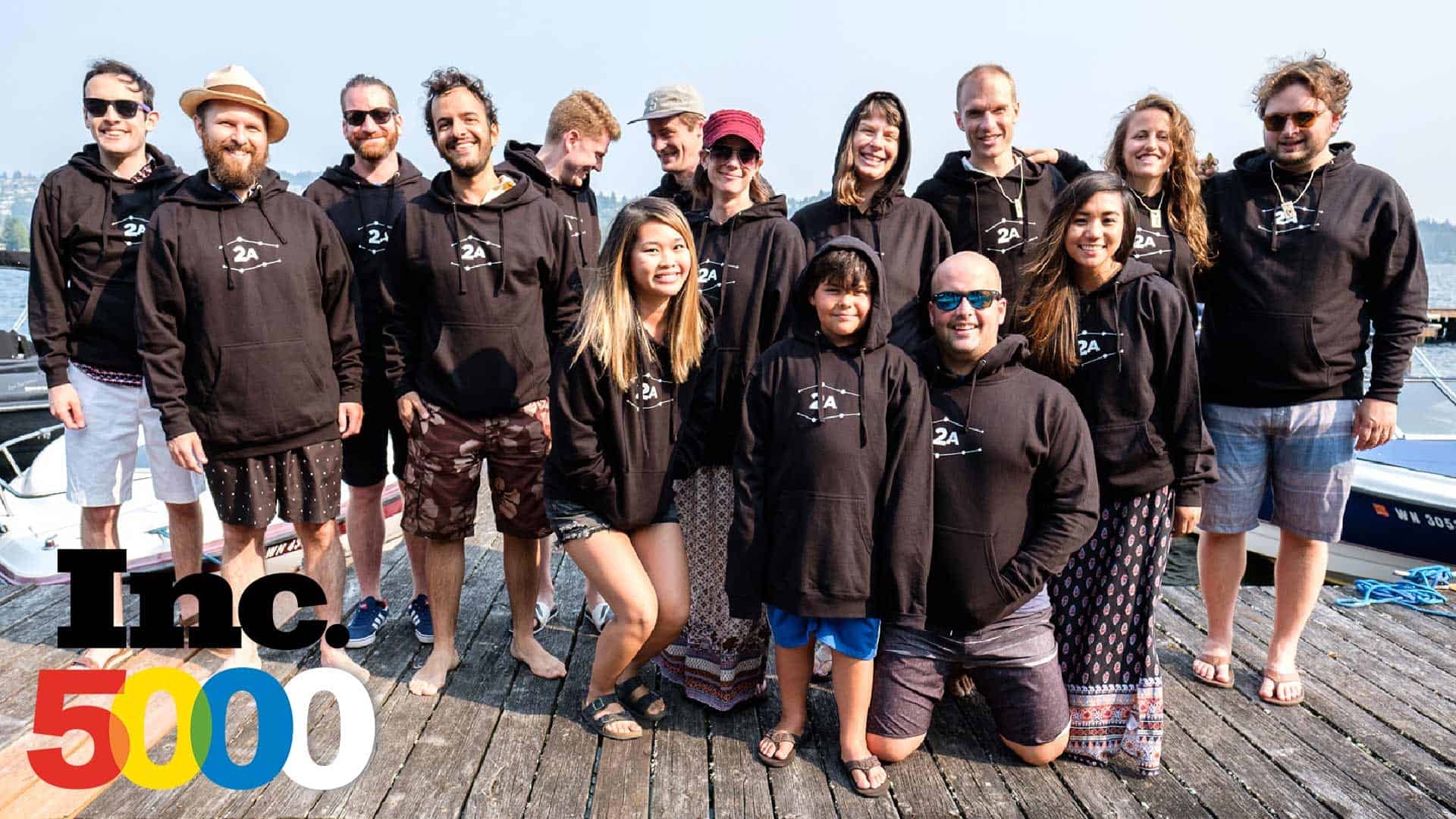
I’m eight months pregnant, and if there’s any life event that’ll make you pause and think about growth, it’s building a human. Combine that with last week’s announcement that we’re 686th on the Inc 5000 fastest growing US companies list and you’ve got us reeling down a path of nostalgia, reflecting on all the ways we’ve grown as a business.

When I was pregnant with my now two and a half year old, 2A was renting desks in an old house, sharing space with a talented troupe of creatives. This week, we’re finishing up our second expansion in the Broadway Building. As I headed out on my last maternity leave, Renato and I strategized how to keep our team of 10 busy, happy and productive. This time around, we’re working with a talented line-up of over 30. Our client list has more than tripled, we’ve launched an animation practice, and have a new development team.

In addition to the obvious stats, we’ve grown up in a lot of ways too. We’ve expanded our benefits package to better reflect our values, including a new parental leave policy. We believe that doing great work requires being well, and that it’s the company’s job to be part of that wellness. We spent the summer hashing through and writing down what we’ve learned over the years and launched a consultant training program. And we’ve improved our hiring process, getting clearer about what it takes to be a successful member of our team and sharpening how to find it.

I’m pretty flush in growth right now—myself, my family, the 2A team—and I am feeling grateful for it. As Mark Zuckerberg recently posted on Facebook, it’s important to take time off for new children, and I am pretty sure the office will still be standing when I get back. At this rate, I’m sure it will have grown.

08/17/2017

Esports: enthusiasm is contagious

By Sarah Silva

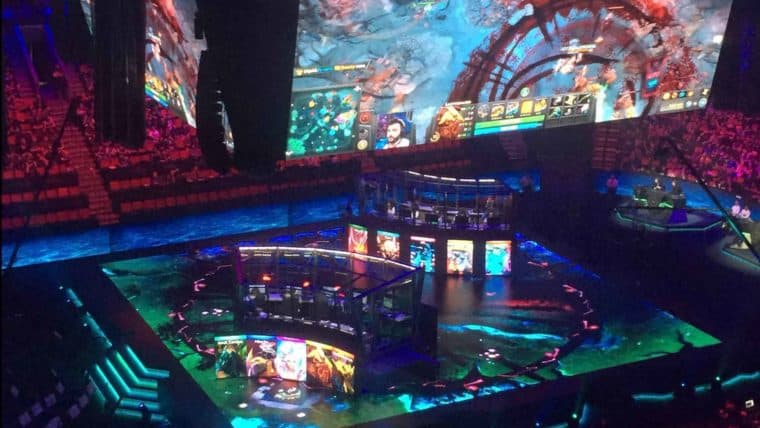
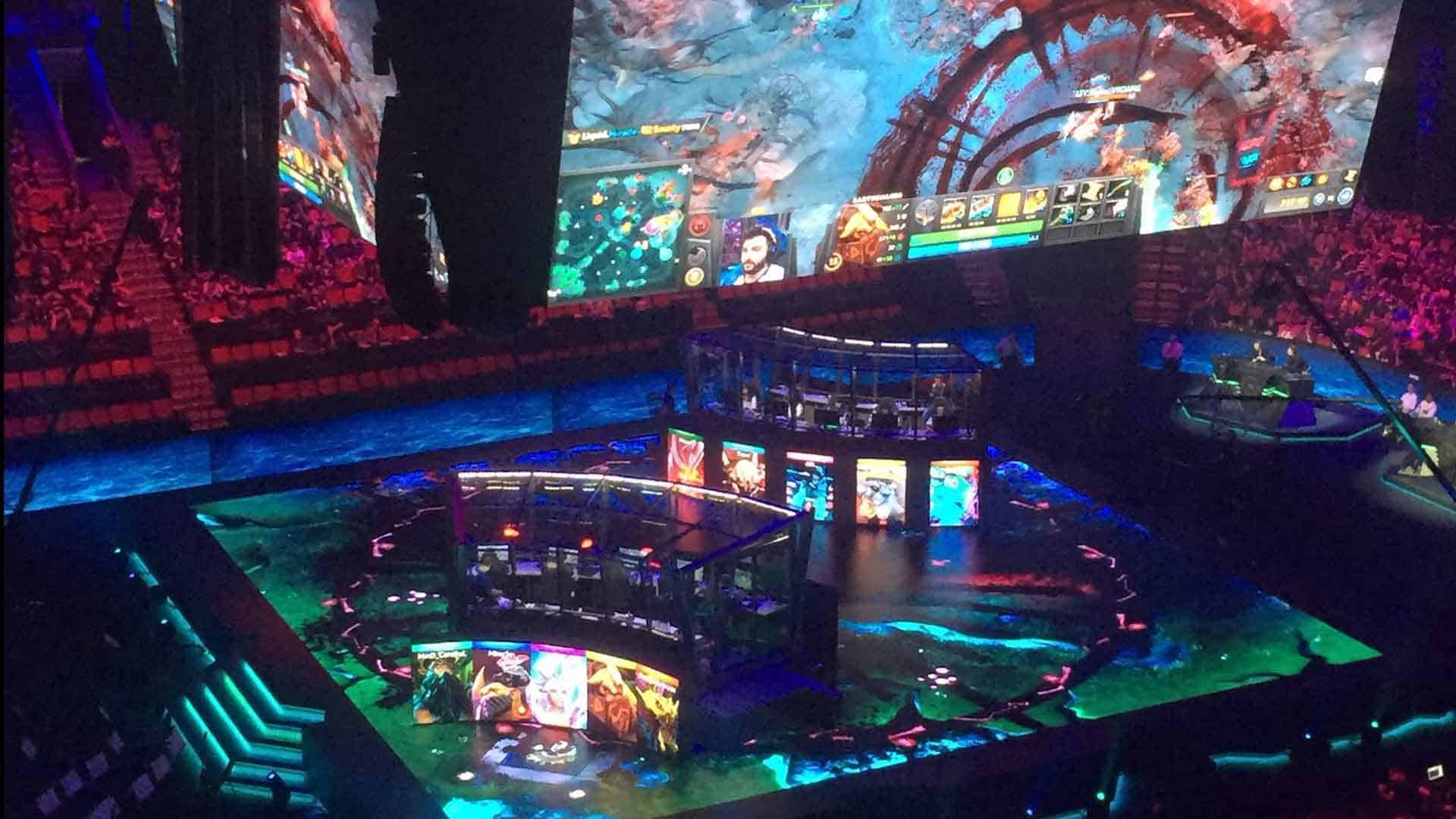
When a friend asked me to come support her team at “The International” in Seattle, I was embarrassed to admit I’d never heard of the event. Turns out, The International (TI) is a multi-day championship tournament for DOTA 2, a free-to-play multi-player online battle game. In recent years, TI has drawn over 20 million online views and this year had a prize pool of $25 million. To put that in perspective, the prize pool for The Masters 2016 golf tournament was $10 million.  I was a total noob (as they say) when it came to online gaming and the world of esports but I was excited to learn more.

Hosted at Key Arena, the scene inside TI was exactly what you’d expect from any traditional sporting event. People dressed in jerseys and t-shirts supporting their team of choice. Sharply dressed commentators analyzing various moves and plays by each team. The crowds in the arena cheering for their favorite player after an exceptional play. What the teams were doing on stage was foreign to me, but the energy in the sold-out stadium felt familiar. Like traditional sports, you don’t have to play the game to be a fan. The enthusiasm in the arena was contagious and I was soon hooked and cheering along.

TI employed amazing storytelling to get someone like me excited about individual players. Between matches, humorous video clips played highlighting players from various teams. In two-minute videos I learned what players would bring to a deserted island (a PC and a girlfriend) or whether they were cat or dog people (cats were the clear crowd favorite). I can now see why esports has such a strong and growing fan base.

Esports  brought in over $493 million in 2016, a growth of 51.7% from 2015, and is expected to reach $1.5 billion by 2020.  A game you can play at home by yourself could translate to a real-life experience with thousands, bolstered by individual players stories and journeys. To make the event even sweeter, my friend’s team, Team Liquid, made it to the finals and won! They received an impressive first place prize of $10.8 million to be split amongst the gamers. While I started out not understanding the allure of esports, I’m a believer now.

AW SHUCKS PARTY

08/03/2017

AW SHUCKS shindig success

By Katy Nally

AW SHUCKS PARTY

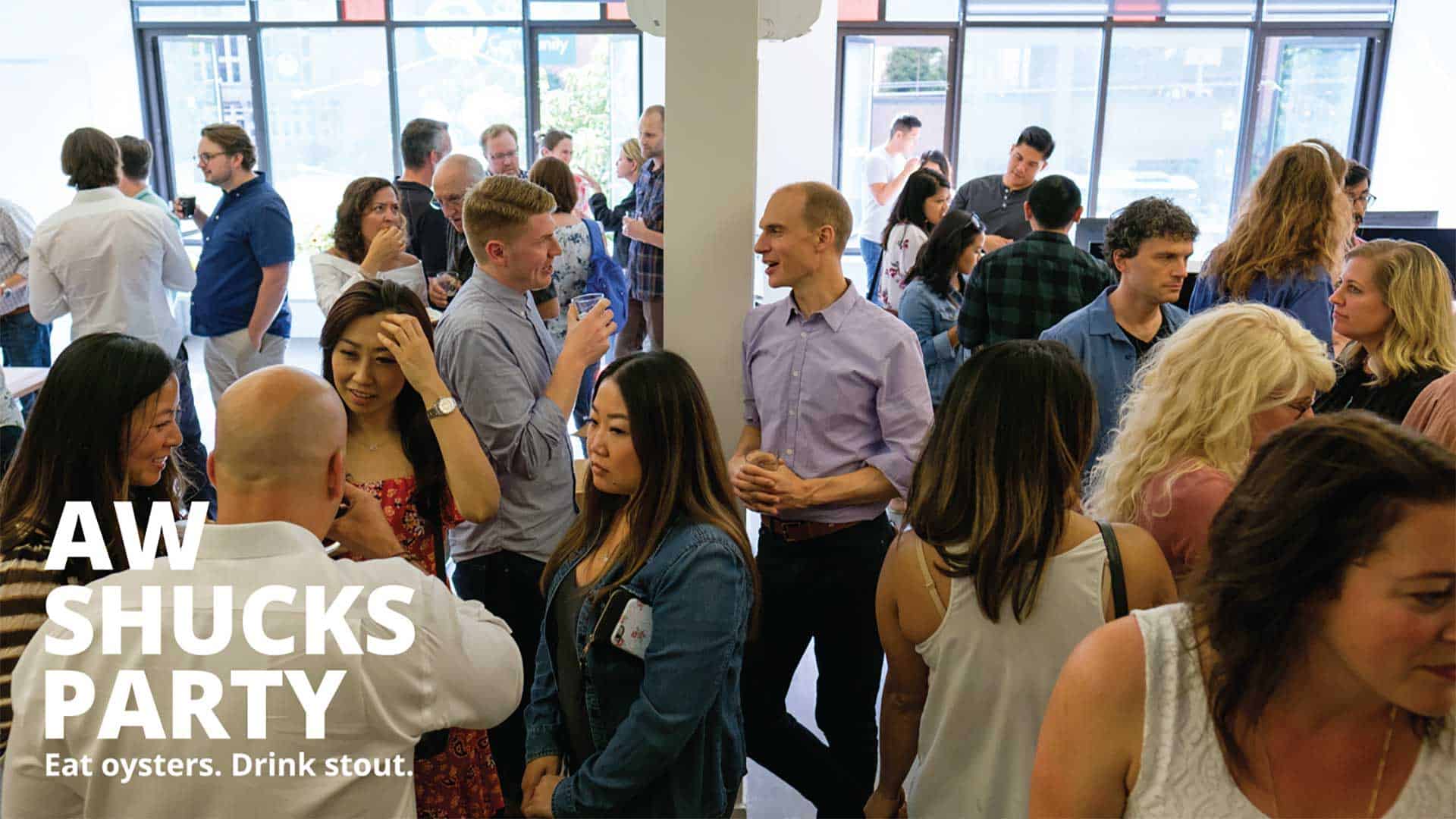
Aw shucks, our clients and crew made our annual summer party a success! Our AW SHUCKS Party was part client appreciation, part nonstop oyster shucking, and an all-around good time. Thanks to everyone who came out last week, and for those who couldn’t join us, there’s always next time.

Each year we pull together as a team to conjure a true 2A party experience. It’s a collaborative effort that begins with deciding on a name. Once we landed on calling it our AW SHUCKS Party, we drafted and sent invitations, created an RSVP web page, and designed posters and signs.

Adding to the ambiance this year was an animated short, featuring synchronized swimming oysters and beer bottles. The mesmerizing show of twirling oyster shells and free-falling pearls surely dazzled our guests. Watch it here and see if you’re hankering for some oysters and stout afterward.

Besides our clients, friends and families, the other stars of the evening were the 480 Taylor Shellfish oysters and dozens of foamy glasses of Reuben’s Robust Porter. We purposely paired the shellfish with porter to create a briny, creamy experience. It’s an old (quite old) favorite we thought we’d try out. Having the oysters front and center also gave us the chance to use the hashtag #selfishforshellfish in our Instagram—and we’re still trying to say it three times fast.

Making its debut at our AW SHUCKS Party was our kegerator, or shall we call it R2beer2, or maybe kegasaurus? The debate still rages.

The rest of our spread was sourced from local vendors. As a Seattle-grown company, we always jump at the chance to support businesses in our community. Our dense and delicious bread was hand-crafted by Sea Wolf, and Abby provided her now-famous pickled carrots. In a wondrous display of summertime, our flower arrangements from Bleed Foot Florals included actual blackberry branches!

All in all, we set the party bar pretty high this year. 2018 has a tough act to follow. Can’t wait!

Oysters and stout make mouth magic

07/19/2017

Oysters and stout make mouth magic

By Katy Nally & Daniel Schmeichler

Oysters and stout make mouth magic

We’re having our summer party on July 27! And true to form, we’ll be serving oysters. Oysters are kind of our thing—they’re unexpected, local and classy all at the same time. But this year we’re throwing in some historical flavor by pairing our oysters with a roasty stout.

If science weren’t so busy solving real problems, it would probably tell us it’s a fact that oysters and stout make mouth magic together. In the words of Michael Jackson, the beer hunter himself, “the earthy intensity of stout is a perfect foil for the gamey brineyness of oysters.”

We were intrigued by this mighty duo, and the deeper we dug, the more we learned and loved about this pairing. Turns out, it’s slowly crawling back onto menus at hip restaurants and making waves among food connoisseurs. While oysters and stout are still working toward a Macklemore-and-Ryan-Lewis level of pairing fame, just 200 years ago this beer and shellfish combo was center stage at the local pub. As the storytellers that we are, the history and lore of this revived pairing appealed to us immediately: part pioneering, part plentiful and all-around Victorian.

In the era of Queen Victoria, the preferred pub beverages were the malty porters and stouts, and the bar snack was oysters, because they were everywhere! Oysters were common enough to be a food of the Victorian poor, at a cost of three for a penny. Even Guinness, first established in the late 1700s, has used the famed pairing to market its beer. In a 1930s ad the company claimed, “Guinness brings the oysters out of their shells.”

Over time, however, oysters became less plentiful and beer tastes transitioned toward lighter beers. Then, somewhere around the mid-90s, people woke up to the rich world of beer they had abandoned. We would all be drowning in Budweiser if it weren’t for the beer renaissance! And people like Michael Jackson the beer hunter fueled the revival with his stories of beers and traditions we had mostly forgotten.

Today, with oysters back on the menu—now with a brand that’s less pauper and more prince—and world class stouts readily available from local craft brewers, it’s time, again, to enjoy the delicious pairing that once was! This summer, we’ll say cheers with Taylor Shellfish oysters and Reuben’s stout.

Concentric Impact

07/05/2017

Crafting the story behind Concentric Impact

By Katy Nally

Concentric Impact

What’s your story? It’s easy to answer as an individual: you can introduce yourself, say where you’re from, what you like to do, where you work and pretty soon you’re weaving a narrative. It’s the same for businesses. But when you’re just starting out, that story can be hard to define and convey.

At 2A, we’re experts at storytelling for business. Stories anchor all that we do. Whether we’re crafting key messaging, designing logos or refining a brand, we make sure everything connects to a cohesive narrative that’s understood across audiences. In the case of Concentric Impact, we came in at the beginning and helped shape its unique story.

Jeff Kinney came to us seeking branding for his nascent sustainability accounting business. Jeff has a background in green building and transportation planning. While getting his MBA at Foster, he noticed small homebuilding companies were often overwhelmed by the full range of green building certifications. He decided to start a consulting company to provide sustainability management and reporting for small- and medium-sized businesses.

With a solid concept, Jeff came to 2A to get help with a company name, tagline, identity, design and messaging. The first step was for Jeff and our team to think through target audiences, potential clients and a go-to-market strategy. This exercise helped Jeff narrow down what consulting services he wanted to offer.

Next came messaging. “Sustainability accounting” was a good place to start—both words are easily understood, though they’re not typically paired. But both have their own connotations as well. Jeff wanted to make sure “sustainability” conveyed efficiency more than idealism. This phrase—and Jeff’s interpretation—became the foundation for our story.

From there, we built on this concept to construct a messaging guide and a company identity. We wanted his company name and logo to reflect ideals like efficiency, reporting and business rigor, and still convey sustainability accounting. Through brainstorming sessions, multiple meetings and ongoing collaboration, Jeff chose Concentric Impact and we created a simple yet memorable logo to match. The logo features the business name and the design is evocative of the efficiency of concentric circles.

Concentric Impact: Sustainability Accounting for Growth

In the end, we equipped Jeff with a messaging guide that communicates his company’s core benefits. It’s a living document that Jeff can test and refine as the story of Concentric Impact evolves.

What’s the story behind your business? Need help finding the right words and building an identity? Get in touch!

Pride

06/21/2017

Pride the proper noun packs a powerful punch

By Katy Nally

Pride

Messaging gets easier when you have something powerful to say. In the case of Pride, so much has been condensed into just one, short word. In a flash, I see the parade, the colors, the characters, but Pride also conjures emotion. All that from one word, and I haven’t even been to a Pride parade yet! But this is the year for me.

As a new consultant at 2A, I’ve been spending time exploring Capitol Hill where our office is located. With its rainbow crosswalks and establishments like Gay City, I was already aware Capitol Hill served as Seattle’s center for the LGTBQ community. But this month in particular, the neighborhood was bustling with Pride, which showed up in some very creative phrases—Plan your Pride, Dine with Pride, in Pride we Stride. After seeing Pride in storefronts, on chalkboards, and on banners on Broadway, I realized the power of this one word, and was impressed at how much it conveys.

The word “pride” has long been associated with the LGBTQ rights movement. On the first Christopher Street Liberation Day March on June 28, 1970 participants coalesced around the chant: “Say it clear, say it loud. Gay is good, gay is proud.” This first march commemorated the Stonewall Riots and was more somber than celebratory. It honored a historic night of resistance, when police raided the Stonewall Inn—a popular hangout for gay men, lesbians, drag queens and transgender people —and the patrons fought back.

Since that initial march, Pride has become both a platform and a party. The very act of being proud is simultaneously a show of support for the LGBTQ community and a cause for celebration. It’s this two-toned nature that makes Pride—and its simplified form as a rainbow—such a powerful message.

This weekend, I’ll finally see a Pride Parade in action! Seattle Pride, which hosts the parade and other Pride events, elevates issues by uniting and celebrating the LGBTQ community. Here’s to you, Pride.