
Blog
SIFF tickets

06/14/2017

Gaga for galas: The SIFF experience

By Katy Nally

SIFF tickets

I’m a sucker for tickets. In our age of consumerism, I prefer tickets to things. Tickets are temporary, but the events they grant access to leave lasting impressions that only take up memory space. Few know this better than the film industry, with the bulk of its sales tied to tickets. For them, the question is always: how do we get more butts in the seats? One answer, throw a party and make your guests feel special. Done right, that party can foster new customers.

Seattle is fortunate to have SIFF, a nationally- and internationally-renowned film organization that celebrates films and shares compelling stories with the community. SIFF hosts the largest film festival in the US—the Seattle International Film Festival, which ended with a bang on June 11 at MOHAI.

I live near SIFF Uptown and—with minimal planning—occasionally drop by to check out new movies that often make me feel cultured and connected. I’m not exactly a regular. But when an enticing SIFF email invited me to the opening night party of this year’s film festival—accented by words like gala and red carpet—I clicked on the registration link. I checked with my cinephile friend and she assured me the movie premiere followed by the “adult prom” was well worth it.

THE MOST EXCITING PARTY OF THE YEAR
AT SEATTLE CENTER’S FISHER PAVILION

She was spot on. SIFF masterfully orchestrated an opening night party that made me feel like a celebrity. An actual red carpet led to the entrance of McCaw Hall where I joined other Seattlites who were fancified for an evening of posh society. Not only did the movie The Big Sick make me appreciate the once-dreaded “rom-com” genre, but the gala that followed was a stellar example of wining and dining to make an impression. And SIFF thoughtfully put its local partners front and center. Favorite restaurants gave out freshly made snacks, there were Dilettante Chocolates in glass bowls on the bar tables, and food trucks anchored the outdoor scene.

While an event like this takes tons of coordination and thought, the return can prove worth it. Making customers feel good can keep them coming back for more. It certainly worked on me. Later that week my friend and I attended a showing in the film festival, which I otherwise wouldn’t have suggested.

In the field of selling products, it pays to remember the value of experiences.

Meet Scott

06/07/2017

Scott Knackstedt—he has a knack for making us laugh

By Abby Breckenridge

Meet Scott

Scott came to us pre-vetted. He had been in the Foster graduate program with two of our consultants which translated to two glowing recommendations. I consider hiring to be a huge challenge with an even huger upside—Scott was an easy choice. During his interview, he asked smart questions about the future of our business, and handed out milk.

Since he joined 2A, we’ve gotten the chance to build our own glowing opinions of him. Here’s a glimpse.

He loves words

Shortly after he joined, Scott asked if he could read an original poem at the holiday party. This was a first for me, and not the kind of request you say no to. Over wine and appetizers, Scott recited this poem to a room full of new colleagues and their loved ones, much to the delight of the room. His knack for poetry has sparked the recurring idea that 2A launch a business poetry offering (email us if you’re interested).

Before Foster, he spent five years at Gordon Thomas Honeywell in their governmental affairs consulting group where he flexed his language skills by bringing together stakeholders from across countries and industries.
Scott’s passion for words does more than entertain us at parties. His command of language (English being one of four) also brings a much-appreciated edge to his client work.
He collects information

Some people scroll through Instagram during lunch, Scott reads the Economist. And he listens to The World Next Week and Stuff You Should Know. From niche scientific factoids to international relations, Scott enjoys understanding how systems work.

Other items on the long list of things Scott has chosen to learn in his free time include: to play the bagpipe, to make soap, why Dalmatians are associated with fire houses, how aspartame impacts the body, to coach Special Olympics skiers, to be a karaoke rock star.

As marketing consultants, we’re called on to quickly get up to speed in a variety of industries. Scott has both a knack and hunger for just that challenge. Hopefully we’ll get a project in chemistry soon so he can put his knowledge of the periodic table to use.

He’s democratically goofy

A few months back when Nick and I were waiting for the elevator, we heard a thump, thump, thump. The door opened and there was Scott, a little embarrassed, dancing by himself.

He doles out “later ‘gator” with equal opportunity, and made an unexpected choice for his Skype profile photo.

One of our 10 rules of client management is that clients are people too. No one wants to work with a robot and we all owe each other a little leeway, as we’re just moving through life as humans. You’re not going to be a successful consultant if you’re struggling to be something you’re not. Scott’s ability to be his goofy self in all company makes him a pleasure to work with. We think you’ll agree.

BLAM! sound effect

05/24/2017

How does space sound and smell?

By Soleil Kelley

BLAM! sound effect

In my view, the inherit complexities of making animated videos is rewarding. Many elements need to come together to create meaningful impact: the story, the characters, the narrator, the tone, the design, the motion. It all adds up quickly. Did I forget something? Yes, the sounds! Bang.

Until our theaters or devices can waft relevant olfactory stimuli (buttery popcorn doesn’t count, sorry), animations stimulate just two senses: our sight and our hearing. Could you imagine Wile E. Coyote dropping from a desert cliff without a descending whistle then dusty thud? Could Star Wars be Star Wars without those epic music motifs? Nope. Music and sound design have that awesome ability to transcend the listener to a moment in time, into a virtual space with a desired mood and emotion, without even a word spoken. It’s the perfect complement to our first sense, sight, when what we see naturally aligns to what we hear.

Unlike videos captured in real environments with real sound emitted by real people or objects, animations start with a blank screen and utter silence. A story is carefully crafted with meaningful words. Characters are thoughtfully designed, then come to life in ways that bolster the story. What helps them come to life? Motion and sound. What do apps, databases and consistency models sound like when they come to life? Take a listen to our interpretation in this animation we recently created for the launch of Microsoft’s Azure Cosmos DB:


Now, if you just watched this on mute, turn up the volume and watch again. Hopefully you noticed how the music enhanced the narrative arc. When we set context in the beginning the music is softer. At the product hero moment, the song kicks in, adding impact. What about the earth fly-by at the end? Sound effects enhance the left to right motion and bring it closer to us. If only we could sprinkle some space dust for you to smell too, that’d really amplify the moment. I think some folks in AR/VR are working on that…that’ll be fun!

Yoga retreat

05/11/2017

Time out

By Laura Templeton

Yoga retreat

Finding an employer that truly gets work-life balance is a treasure.  I feel fortunate that at 2A, we work hard and play hard. And if you’ve read our blog you’ve seen that we have all kinds of fascinating interests and endeavors.

For me, balanced living also comes from working hard and then doing nothing. Well, not exactly nothing.  For my birthday, my husband gave me a yoga retreat on Whidbey Island. It is one of the most memorable gifts I’ve received—I learned the value of stopping life and reflecting.

I was a bit anxious when I walked into the great hall at the Whidbey Island Retreat Center.  First off, I was wearing shorts. Even the men in the room knew that you don’t wear shorts to a yoga retreat. And people were very open and forthcoming as they explained what they wanted out of the weekend, some even shed tears. As we went around the room introducing ourselves, we stated our intentions, because that’s what you do in yoga. I distinctly remember saying that I have a three-and-a-half-year-old daughter, and I haven’t had a break in, well, three and a half years.

The lovely and limber yoga teacher declared this was our weekend—show up for the opening and closing meetings, but between now and then we could do what we wanted, even if that wasn’t yoga. I immediately adored this teacher. A whole weekend with no obligations, and farm-to-table meals.

Not only was I wearing shorts, I was also the sole loner in the group. Everyone came with a friend, or even a posse. But that didn’t matter because next I learned the rest of the day was going to be silent. Huh?  That wasn’t in the brochure. But I was blissfully released from all social obligations. Rather than making small talk through dinner, we were assigned no talk. Awkward at first, then gradually, I let go of my self-consciousness and relaxed into the silence. My mind loosened up, and my thoughts unraveled, until I reached a peaceful awareness. In fact, the next morning when we were released from silence, I chose to stay in my quiet state until the afternoon.

My great awakening of the weekend was the sheer joy of spending time with myself. It felt like a luxurious gift to not worry about anyone else or be tied to a schedule. And while I thoroughly enjoyed having someone else prepare seaweed salads and chia pudding, the real thrill was sitting quietly with myself. I didn’t realize how cluttered and busy my mind had become until I had a chance to stop and listen to my thoughts. Little by little, I cleaned out the noise in my head and relaxed into silence. I came away completely refreshed, not to mention more limber.

Back at work, I have become a cheerleader for time-outs. I tell everyone who will listen, “if you possibly can, take 2-3 days to yourself each year. Just you. And if you go in silence, even better.”

When was the last time you spent a day on you? You don’t need acai bowls and sun salutations. Make a decision to devote time to yourself. Yes, it is a luxury, and perhaps you can only find one day to yourself.  But treat yourself to the gift of time and space and you may just achieve that ever-elusive work-life balance.

Meet Evan

04/28/2017

Evan Aeschlimann is music to our eyes

By Scott Knackstedt

Meet Evan

It’s not uncommon on a Friday afternoon to hear an 80s power ballad, a kitschy 90s chart-topper, or a pop hit from the 00s spring from “the design pod” at 2A.  Our team of designers has recently doubled in size, and it is exciting for us to showcase our top-tier chops in graphic design.  Evan Aeschlimann – the source of the musical interludes – is much more than the self-assigned 2A DJ. In his short time here he not only gets our feet tapping but has demonstrated some design wizardry worth talking about.

He’s a visual storyteller

Evan has a keen sense for transforming an idea into a visual narrative.  He sees the message and knows what color expresses it, what image defines it, or the composition that captures it.  He listens carefully and structures his interpretation faithfully.  He has put those skills to work at 2A with multiple identity projects, from industries as varied as finance to traffic control, and has shaped new brand identities from the ground up.

He’s a team player

Evan picked up the 2A way without a hitch: he’s collaborative, convivial, and shares his unique qualities to support the team.  Although he has plenty of experience in the field – including previous work with an agency – Evan knows how to strike a balance between his professional responsibilities with his personal pastimes.  An avid sports fan, Evan has leveraged his crafty savviness into a board game, Red Zone Football, that unites his design clout with his passion for the gridiron. It is this sort of cleverness that makes him a clutch player in our starting line-up.

He has the right rhythm

It is easy to charge headfirst into a project and whip out something uninspired, but Evan has demonstrated a thoughtfulness in his work beyond his years.  He knows that high-quality deliverables take time to get right, ensuring that the finer details of a new logo, website, or keynote presentation demand an attentiveness that sometimes cannot be rushed.  Evan has been praised for showing a solid aesthetic – and we’re grateful for his commitment to getting things right.

Evan may have waded into the 2A pool recently but he has made a definitive splash.  We are excited to learn more about Evan, someday meet his energetic dog, Clementine, and look forward to him quietly posting one of his quick-witted memes on the wall.  And though his computer may periodically blare a catchy pop song from a bygone decade to lift the office, we are thankful that Evan’s classical eye and new wave soul continue to produce visual stories that rock.

Icons

04/12/2017

Are symbols taking over the world?

By Nick Dwyer

Icons

Regrettably, I opened up the box and surveyed its contents. Inside was everything Ikea claimed I needed to build a chest of drawers with an unpronounceable Scandinavian name. I thumbed through the 40 pages of instructions, dumbfounded by one thing: the immense void of text. In its place were occasionally humorous diagrams and symbols guiding the way to home-built furniture.

Ikea isn’t alone. It seems everywhere you look, symbols are replacing words. My recycling bin no longer says “Recycle” on it anywhere. Computer operating systems and apps feature less text with each update. And at 2A, we use countless symbols to accentuate key information for our clients.

The greatest example of symbol encroachment is the emoji. Basic emoticons made with punctuation marks gave way to more pictorial and vibrant emojis. Originating on Japanese cell phones in the 1990s, emojis exploded after their inclusion on Apple and Android smart phones. But they’re not just for text messages. Chevrolet wrote a real press release only in emojis, and an online bank developed an emoji-only passcode system. There’s even an upcoming animated film called The Emoji Movie with Patrick Stewart voicing everybody’s favorite. Symbols like emojis change how we communicate, but are they killing language? 

Before cursing the proliferation of symbols, it’s important to consider their value. In the case of Ikea and many other uses, symbols transcend written languages. They explain concepts without the need for painstaking translation. Their universality is their key strength.

Fixated on the possibility of universally intelligible written communication, people throughout history have tried to make written languages out of pictogram symbols. These forms of communication, called pasigraphies, were often meant to facilitate communication across traditional language barriers. 17th century British philosopher John Wilkins introduced a pasigraphy called Real Character, which was considered brilliant yet hopeless and never became more than theory. Impressed by the symbols used in the periodic table, chemical engineer Charles Bliss developed a symbol-based writing system called Blissymbols in the 1940s. While Blissymbols became a method to teach disabled people to communicate, it never enjoyed widespread usage.

Pasigraphies never caught on in part because as constructed languages, they did not evolve in practice like natural languages. Natural languages evolve to become relatively easy to use and learn. Further, their written forms benefit from the flexibility and distinction of their verbal roots. In contrast, symbols may hold very different meanings. A lightbulb icon may represent an invention, a good idea, intelligence, or just brightness. Unfortunately for pasigraphies, ambiguity is not a good trait for a written language.

Yes, symbols have growing value in a shrinking world, but English majors shouldn’t fret. They can help you assemble furniture or Legos, but they aren’t built to merge together to create complex ideas the way the written word can. They play an increasingly important role in visual communication, but remain dependent on language for context and detail. When you’re telling your next story, make sure language retains the starring role.

5 lessons in storytelling I learned in Antarctica

03/22/2017

5 lessons in storytelling I learned in Antarctica

By Veronique Serruya

5 lessons in storytelling I learned in Antarctica

I just spent twelve incredible days in Antarctica, and it blew my mind.  The sheer beauty and untouched majesty of it took my breath away and made me want to capture it in more than my mind’s eye.  There was a professional photographer on the boat who gave a talk about composition, light, and good storytelling.

As she spoke about how to capture our perfect memory on film I thought about all the parallels between storytelling through photography and building strong social media content, or capturing attention with a campaign. Here are a few parameters I like to keep in mind:

1. Know what you want to say

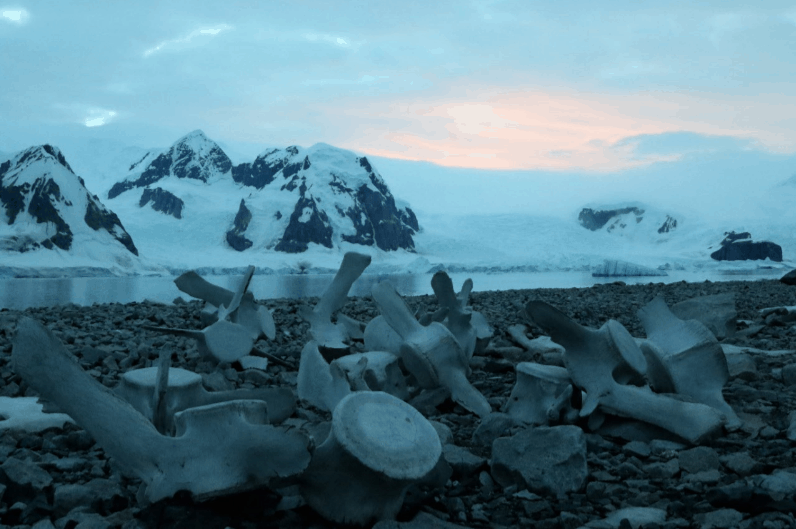
Whether a picture, a post, or a website, it’s the same: diluted content is confusing and ultimately loses the audience.  This picture captured Antarctica in one flawless moment.

2. Don’t try to tell too many stories at once

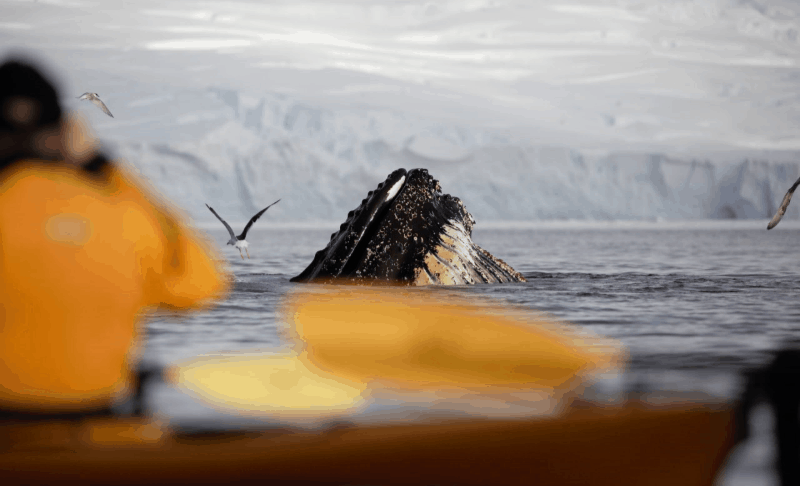
Pick one story, it’s stronger than attempting to tell too many at once. One day we were in our kayaks, surrounded by 35 feeding humpbacks, which attracted Antarctic albatross as well as penguins to feast on left over krill.  With so much going on around us, it was difficult to hone in on a specific story for our picture–which for me happened to be, “Holy s#$@ that whale is so close it could capsize us all.”

3. Lead with the most interesting material

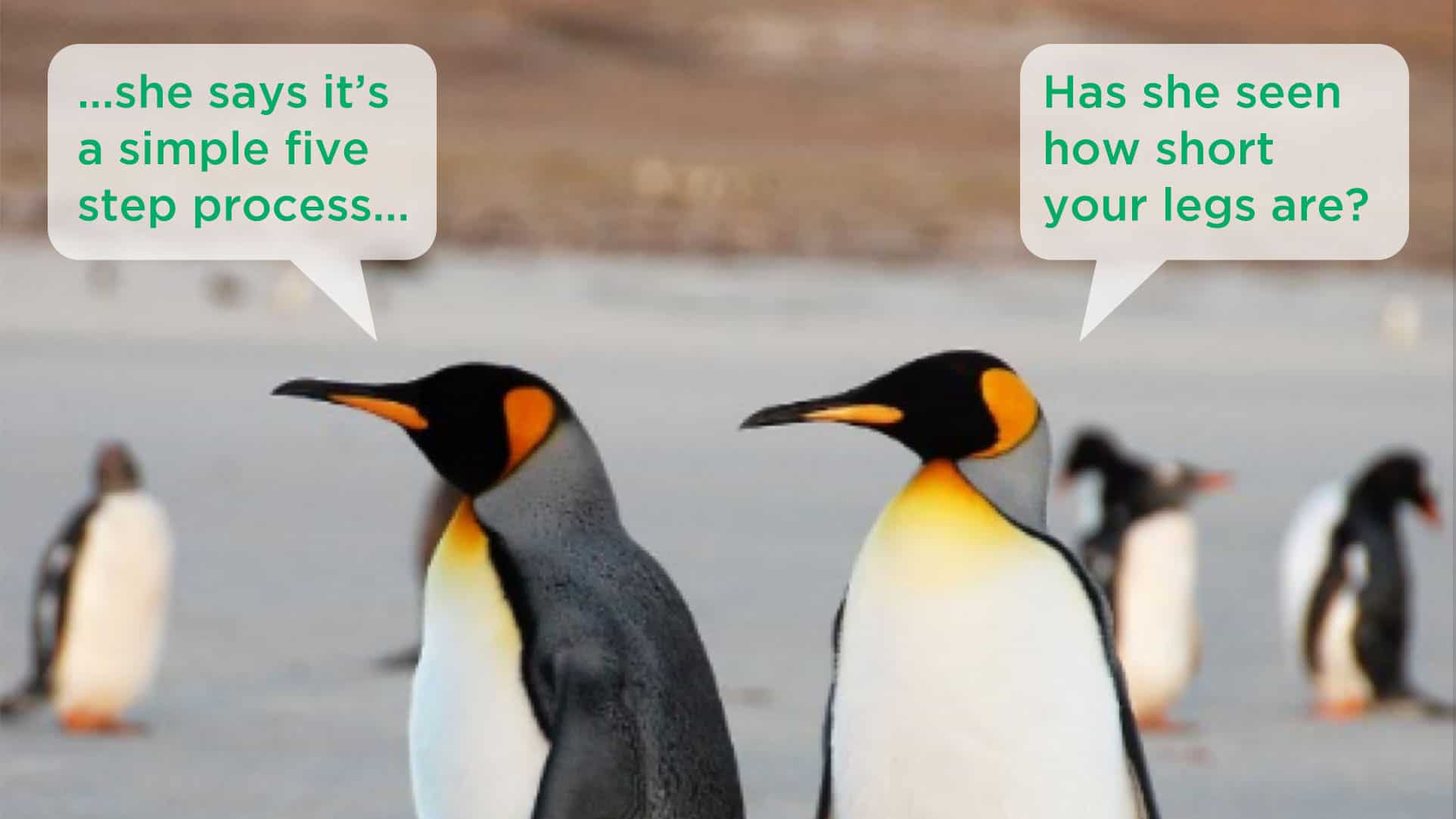
It’s hard to decide what is most interesting when surrounded by such beauty, but to make my story attractive, I had to choose my focal point. In this picture, I chose these two king penguins in a colony of Gentoo penguins.

4. Create content that sparks conversations or adds value

For every good picture, there was a story that went with it.

5. Be memorable

Good stories inspire people to action. Of all the pictures I took, I am not sure which one is the most inspiring, but I picked this one.

Maybe you will be motivated to witness this pristine wilderness for yourself, or donate to a charity that works to preserve it.

Neglected Tropical Diseases

03/09/2017

Telling the story that saves lives

By Scott Knackstedt

Neglected Tropical Diseases

We here at 2A love stories.  Stories capture valuable ideas and, depending on the medium, use them to imbue words with purpose, to gild images with meaning, and to inspire videos with significance.  By and large we use our stories at 2A to create brand identities and marketing tools for products, goods, and services that help make our lives a little better. There are some, though, who were clever enough to see the potential in how an effective, pithy brand can tell a story that saves lives.  Billions of lives.

Nearly 15 years ago, a cohort of physicians and researchers were distraught that a basket of disparate pathogens – known as other communicable diseases – ranging from various protozoa and helminths to bacteria and viruses, were largely overlooked by those agencies and organizations that addressed global health issues.  In the theater of human misery, these afflictions composed the motley chorus while the stars of the show – malaria, HIV/AIDS, and tuberculosis – brought the NGOs through the door with their applause of funding.

Before a 2003 WHO conference in Berlin, Dr. David Molyneux and his colleagues saw that by creating a singular, strong brand around these clinically diverse illnesses, advocates could pitch them concisely and effectively to governments and foundations previously focused on ‘the big three’.  He and his team settled on neglected tropical diseases (NTDs), which were united not through disease pathologies but rather classified on the social hallmarks that they share.  Specifically, they are found in conditions of poverty and underdevelopment, they almost exclusively afflict the poor and marginalized who have little influence over decision-makers, they inspire stigmas and discrimination, and ‘do not travel’ as they are tied to the tropical geographies of their vectors.

This departure from conventional thinking reshaped the discussion.  Those three words told a story, a story of 1.5 billion overlooked lives, reminding funders that they were collectively addressing something important that had been forgotten.  Within a year the WHO had created a new department for NTDs and began generating engagement strategies. Within three years over a billion dollars had been pledged by governments and aid organizations. Within ten years Merck, Bayer, and GlaxoSmithKline were donating 1.4 billion treatments annually.  Hundreds of millions of people were no longer going blind from onchocerciasis, or being deformed from filariasis, or dying from schistosomiasis.

There was a paradigm shift by telling the story of neglected tropical diseases rather than other communicable diseases.  The right words made the difference for untold millions.  New innovations in preventative chemotherapies, synergies in disease management platforms, and an influx of funding arose because of how the issue was communicated. As the 2017 Gates Letter reminded us, success in philanthropy is measured differently than success in business, but the right narrative in either case can be transformative. The story of mankind suffering at the hands of disease and poverty is a story that started once upon a long, long time ago, and is a story that you and I have arrived at in medias res, but is one that, through the confluence of generosity, science, and – in small part –  effective branding, just might have a happy ending.

Foster + 2A = goodness

02/22/2017

Foster + 2A = goodness

By Jonathan Shaw

Foster + 2A = goodness

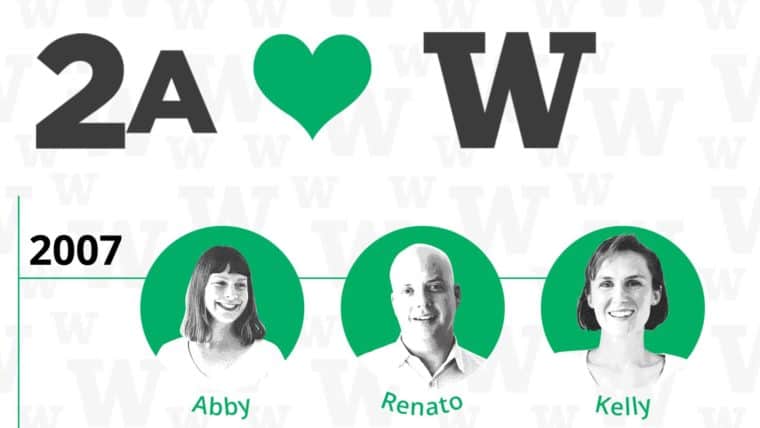
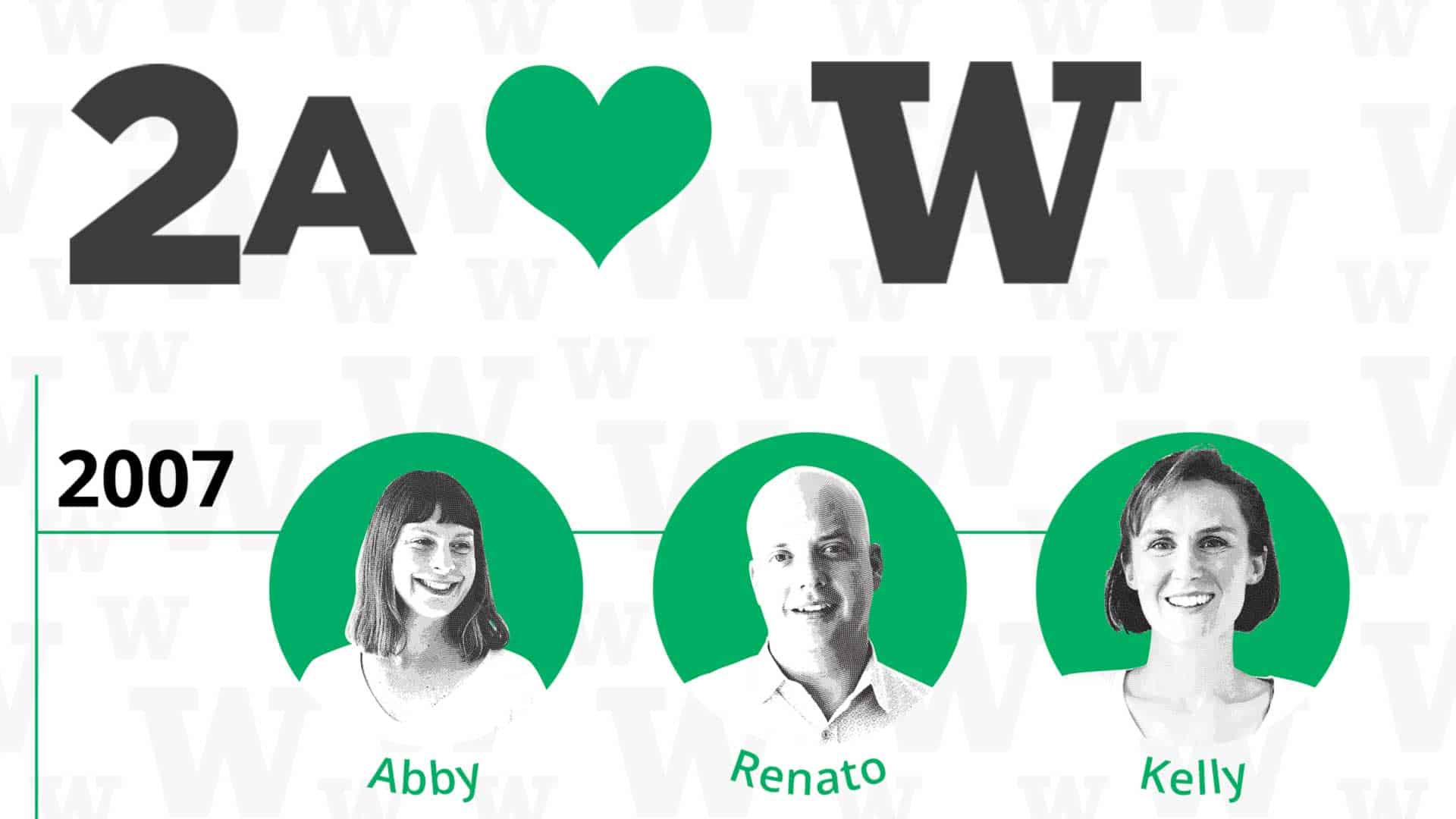
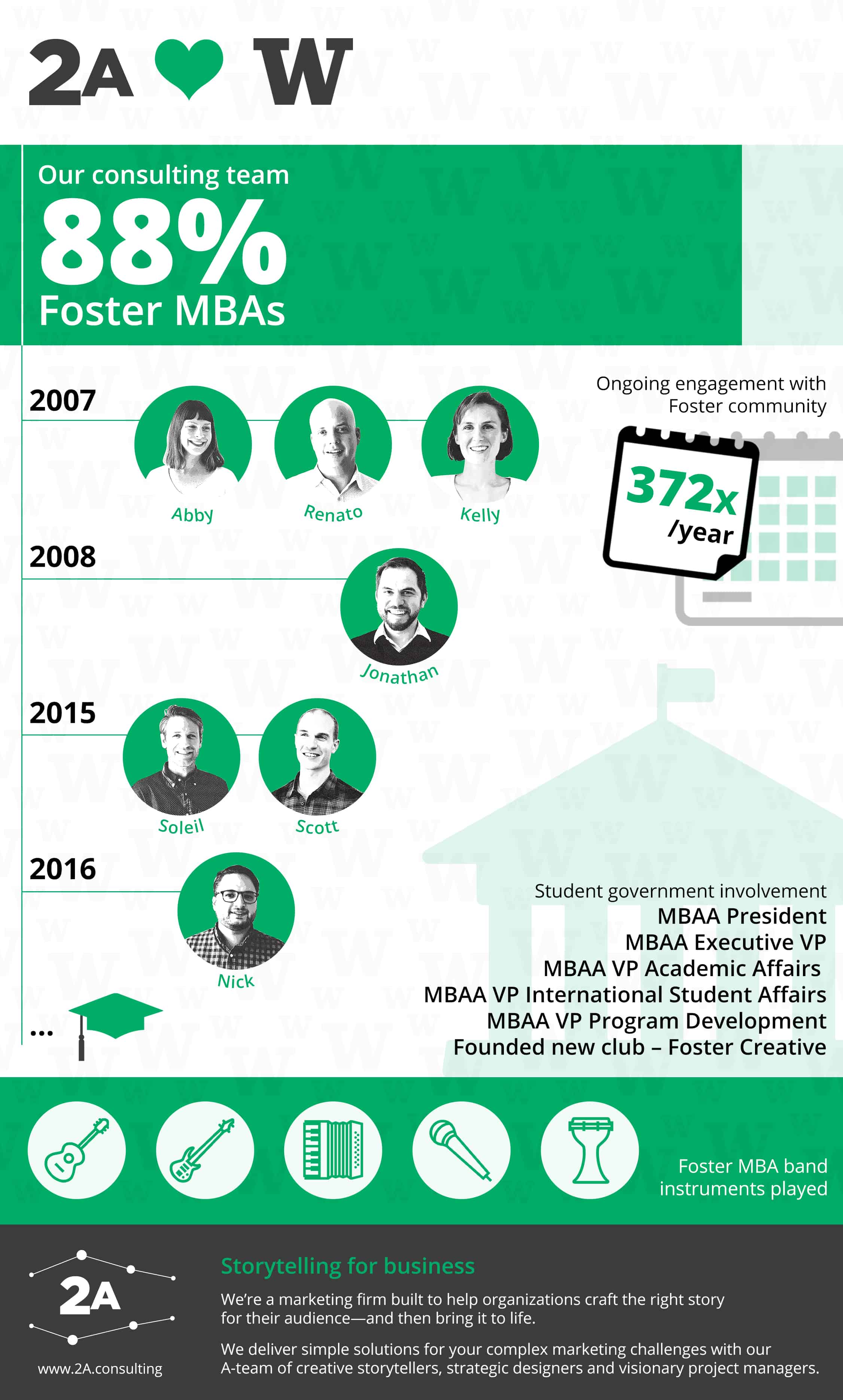
Here at 2A, our roots run deep with University of Washington’s Foster School of Business – as we like to say, we’re “Foster-led and Foster-fed.” The Foster school turns 100 (!) this year, and we jumped at the chance to feature our story on the school’s online centennial timeline. If you scroll through the 2000s until you hit 2007, and you’ll find the post that reveals the little-known 2A backstory.

While we could have approached this post as a text-only piece, we opted for an infographic instead. This allowed us to convey several different points in a simple, cohesive visual narrative. It’s why we love infographics: we can flex both our content and design chops in this medium, all in one complete package.

Our clients, particularly the technology product marketing teams we work with, often seek to develop a story that relies on data. The infographics we’ve built for them do this job remarkably well – they concisely and elegantly communicate a data story. For example, in our Foster infographic, the timeline and data points work together to show an alumni relationship that spans time and flourishes in the present. And yes, we really did play all those instruments!

Are you thinking about using infographics to tell your story – but not sure where to start? Drop us a line; we’d love to chat with you!

Foster infographic

Kristina lifting

02/09/2017

Kristina Bueno—She does the heavy lifting

By Abby Breckenridge

Kristina lifting

Building the infrastructure to support a growing business is less of a straight path and more of a series of jumps and plateaus. Every time we’ve made one of those jumps, we think to ourselves, why didn’t we do that sooner?

There’s no exception to hiring Kristina—Operations Manager of 2A. How did we get by without her? I’m not sure, but here are a few reasons we’ve come to rely on Kristina to do the heavy lifting.

She’s an expert process builder

Before joining 2A, Kristina spent 10 years in health information management, designing and managing procedures to improve operational efficiency. Lucky for us.  Since she joined, she’s put her process skills to work and streamlined our back office. Our clients may not know it, but they are benefiting from her skillful contributions every day.

She digs in

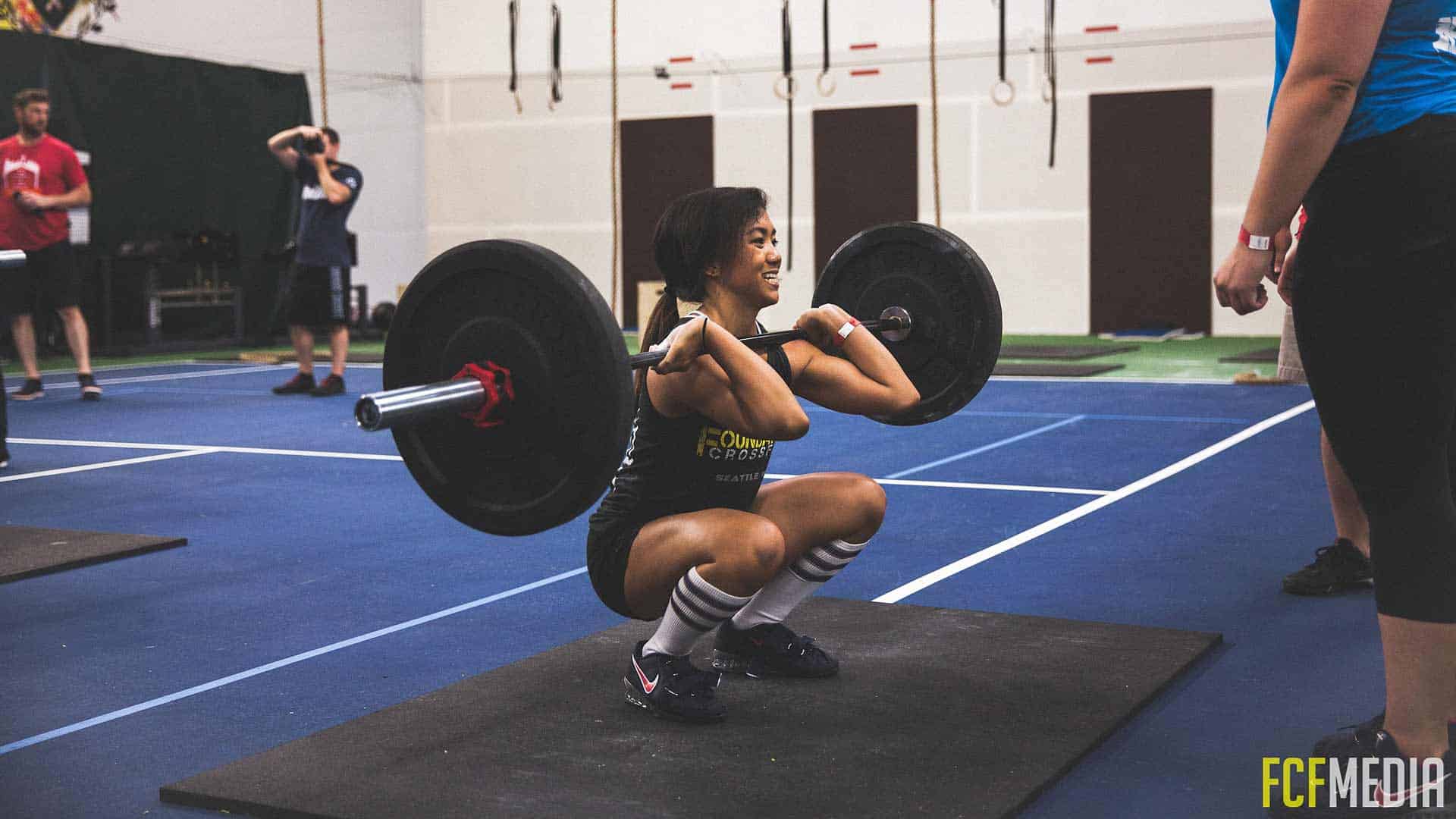
Thorough is an understatement. Her commitment to excellence means she doesn’t shy away from the hard tasks—a challenge makes Kristina double down. This is obviously an asset at work, but it also pays off in her free time. Commitment and persistence led Kristina to compete in her first weight lifting competition last year, and now she’s training for her next.

She has a hunger for learning

Whether it’s taking a UX design class at General Assembly, brushing up on how 2017 tax changes will impact our business, or dropping a new mix on her turntables, she’s less of an I-don’t-know, and more of a let-me-find-out. Her enthusiasm for the new makes her a perfect fit for the dynamic role of managing a budding agency, and also makes her interesting to talk to.

She’s been demonstrating her appetite for learning for a while now—Kristina is the youngest of five siblings and the first in her family to graduate from college (go dawgs!).

I am looking forward to learning more about Kristina. In the meantime, I sure am glad she does the heavy lifting around here—making the office run smoothly.