Blog
Find the nugget

08/24/2016

4 steps to becoming a feedback front-runner

By Abby Breckenridge

Find the nugget

I’ve been looking for a reason to visit the recently renovated School of Visual Concepts, and certainly didn’t think it would come as an opportunity to speak with young designers about leadership. But that’s exactly what I got to do last Friday at an AIGA Emerge event—part of a national campaign to strengthen offerings for emerging designers.

My message? Feedback is a muscle that needs building and you’d better head to the gym if you want to grow in your career. And while giving feedback is certainly as important as receiving it, the early phases of our careers are weighted towards the receiving end, so that’s where I focused.

1.  Make space to hear it

If you’re too caught up in your own emotional response, you’ll miss the chance to grow. Calm that inner ego for a moment and make the emotional space to take in what you’re hearing.

2.  Find the nugget in what you hear

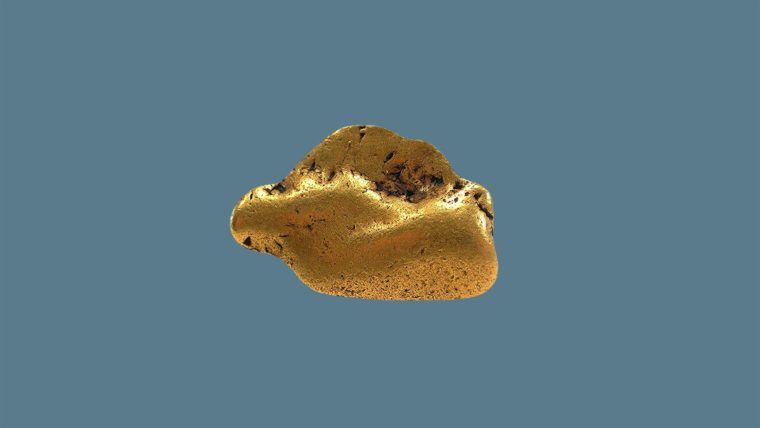
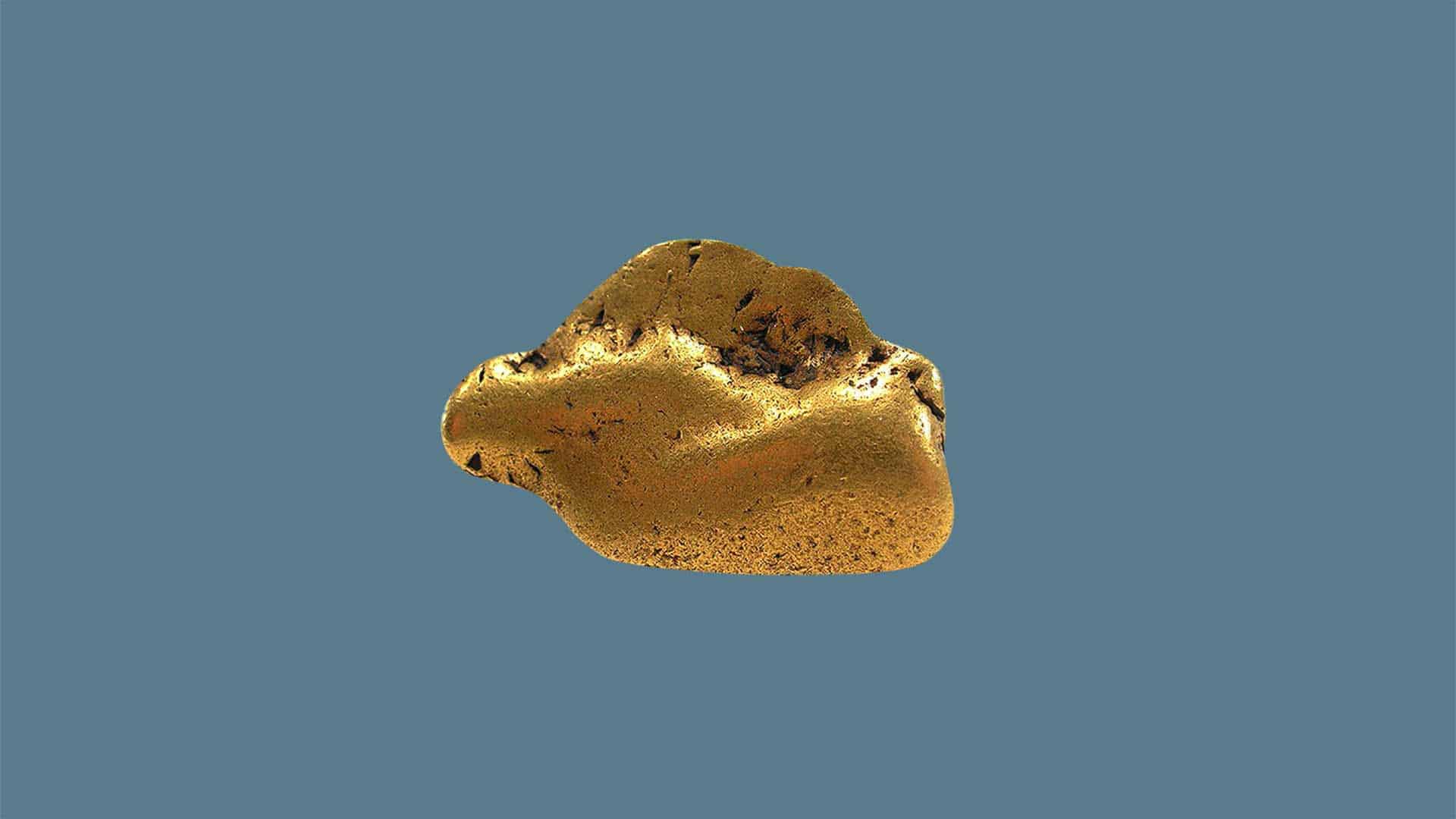
Not all feedback is good, or well explained, but there’s almost always a nugget in there that will make your work stronger. Ask questions. Think it through.

3.  Scout a way forward

Don’t get stuck and figure out what’s next. A new concept? A revision? A different deliverable? We’re making work that has purpose. It’ll never happen if we’re stuck.

4.  Recommit to the new vision

Find something you care about in the new path give it your all—even if that inner ego you squashed in step one still has her hands on her hips.

Holy Mountain

08/17/2016

Secret to brewing success

By Theresa Howe

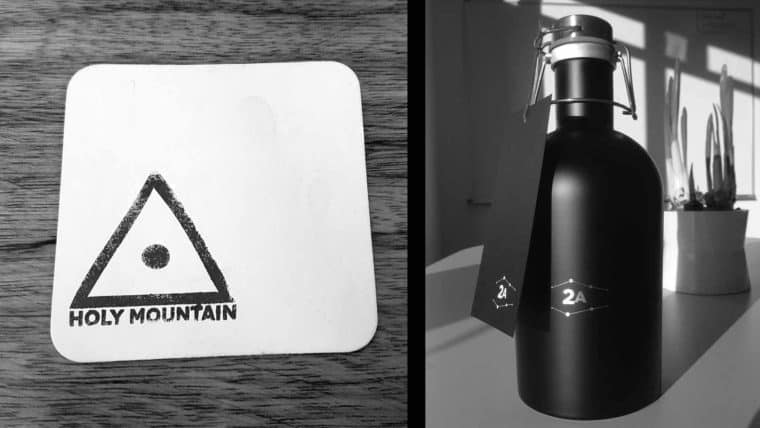
Holy Mountain

Every home brewer has a dream. It usually involves them transcending their garage and opening a full-scale brewery. That’s a huge leap, from almost every angle—financing, production volume, distribution, and perhaps most importantly, traction amongst a Seattle beer scene replete with already successful craft brewers. Enter Holy Mountain. Started by three beer geeks with serious brewing chops, they conceptualized their business over the course of several years, found a space and made it happen.

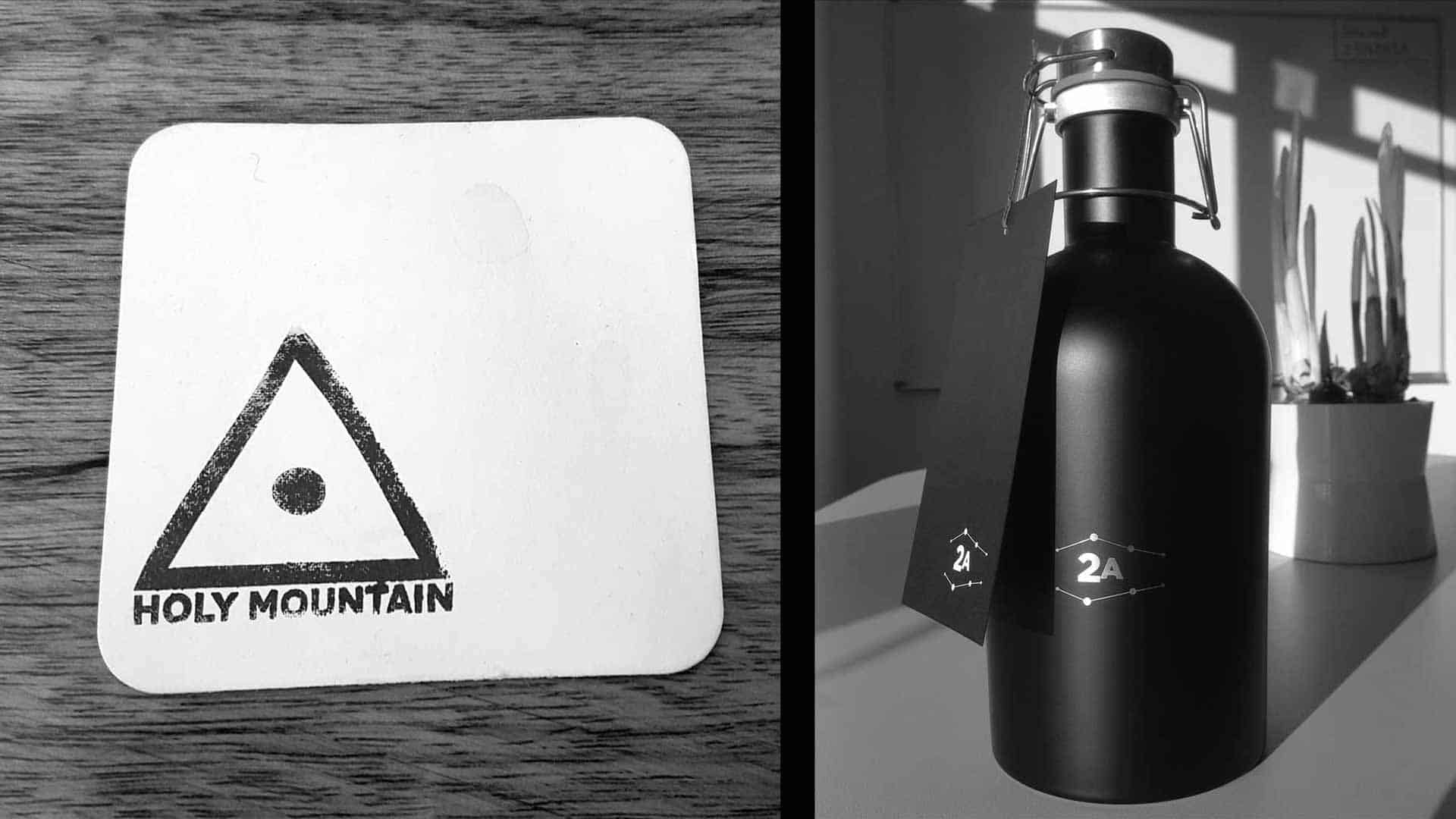
2A learned about Holy Mountain last year when we were looking for a cool local gift to give to clients and staff. We wanted something memorable, and since Holy Mountain was the hottest brewery ticket in town, we decided we’d give 2A growlers with a free fill at the brewery. We love their unique story and style.

First opened in 2014, Holy Mountain focuses on barrel-aged beers, saisons and sours. Everything is seasonal, so you’ll never have the same tasting experience twice. Many of the beers are aged so they are released when Holy Mountain feels they are ready. They update their taplist regularly so you can check out what they are currently serving.

Holy Mountain has developed quite a cult following, often selling out of new release beers despite the fact they limit purchases per person to prevent hoarding. Holy Mountain didn’t achieve this success through traditional marketing channels. Their fans get updates through social media, for bottle releases and other upcoming events. It works because they make an outstanding product, which has people lining up and coming back for more.

Holy Mountain is aligned with an important element we bring to our work at 2A. Excellence is the expectation, and that’s what keeps customers happy and coming back for more. Although we are selling vastly different products (people vs. beer), it’s great to support another local business who shares the mentality that only the best is good enough for our customers.

Kudos to Holy Mountain for daring to be different in a Seattle beer scene bloated with IPAs. If you embrace a unique brew, an interesting view and a relaxed atmosphere, check out Holy Mountain. You can also follow them on Facebook and Twitter.

How do you promote excellence?

Sailing

08/03/2016

Setting Sail for Good Projects

By Nick Dwyer

Sailing

Like all true Seattleites, I worship summer. The long days, the balmy temperatures, and the countless ways to enjoy nature make the preceding winter gloom worth it. My favorite place to be during Seattle summertime is aboard a sailboat, sun on my face and wind in my hair. Sounds pretty nice, right?

While I can’t be sailing all the time, I’ve realized that many lessons I’ve learned on the water also show up in how we manage marketing projects at 2A. Below are some common tips for better project management and better sailing, nautical themed pashmina afghans not required.

Try to predict the weather

Business and weather are both difficult to predict. The wind stops blowing or worse, gets too severe. Clients can be hamstrung by both too little or too much business. But by tuning into what’s next in the industry, we can deliver fresh marketing content that helps clients proactively confront their upcoming business challenges. Likewise, don’t forget to check the weather report before you get in a sailboat (Weather Underground is my favorite source) – it will help shape your strategy for the day. It’s not always accurate, but forecasting is a part of good preparation for any project.

Set a course

In sailing and project management, you’re likely to get to your destination faster if you know how to go. By setting detailed goals and continually charting your progress, you’ll figure out what it takes to get from start to finish. This will also help you weather a few surprises along the way. On a project or a sailboat, the worst place to be is lost, so ensure you know where you’re going and how to get there in an organized way.

Communicate with the team

A good day on the water starts with a good crew. You need to know who is trimming the jib or holding the tiller, since you can’t really do both at the same time. Knowing and communicating different roles is key for literal smooth sailing. At 2A, communication between our consultants, writers, and designers is how great content and visuals unite for effective marketing deliverables. Understanding the compatibility between these roles and collaborating effectively are crucial for successful projects.

Mitigate those risks

After nearly colliding with a Victoria Clipper on the Puget Sound, I’ve realized that far off risks can turn into immediate emergencies if you aren’t proactive. While it can be exciting to wonder what’s going to happen in 5 minutes, its best to eliminate the uncertainty. In project management, asking the client for clarity on messaging or thinking longer term about marketing strategy can help avoid future headaches.

Jonathan with Hololens

07/20/2016

Getting to know Jonathan

By Abby Breckenridge

Jonathan with Hololens

I remember Jonathan from graduate school at UW Foster School of Business, he was the president of the class behind me and Renato.

I knew then that he was friendly and charismatic—the kind of guy everyone wants to know, and who chooses to know them back. I knew he was curious, with lots of interests that made for good conversation. I knew he was ambitious, as all class presidents are, and devoted to his community.

I didn’t know then, that like me, he grew up in the northwest and would later raise a family here. Jonathan is a 4th-generation resident of Washington state. He attended tiny Nooksack High School, which is a few miles from the Canadian border and surrounded by dairy farms.

I didn’t know that he’d go on to build a rich and fruitful career in marketing, with work spanning retail, software, wireless, consumer electronics, and the emerging space of Internet of Things (IoT).  Nor did I know that Jonathan has also held a wide variety of jobs that he now refers to as “character-building”: security guard, delivery driver, barista, janitor, seafood processor, nurse’s assistant, postal service mail sorter, and produce salesperson at Pike Place Market.

And I certainly didn’t know that we’d work together at 2A, and that his thoughtfulness, creativity and domain expertise would become invaluable assets to our work.

With almost four months at 2A under his belt, we’re grateful to have Jonathan on the team. We’re learning that he’s unfailingly prepared, and that we all benefit from it. We’re getting to know that his seniority in our field spans both the subject matter of marketing as well as the life skill of understanding humans and how to work well with them. We’ve also gotten a taste of his passion for virtual reality and curiosity for disruptive technology.

You should get to know Jonathan too. Maybe he’ll help you with your launch strategy or make your messaging more customer-focused, or maybe you’ll grab a beer and talk about the possibilities of IoT. Drop us a line.

Twice As Party

07/06/2016

Twice As Party

By Mary Lee

Twice As Party

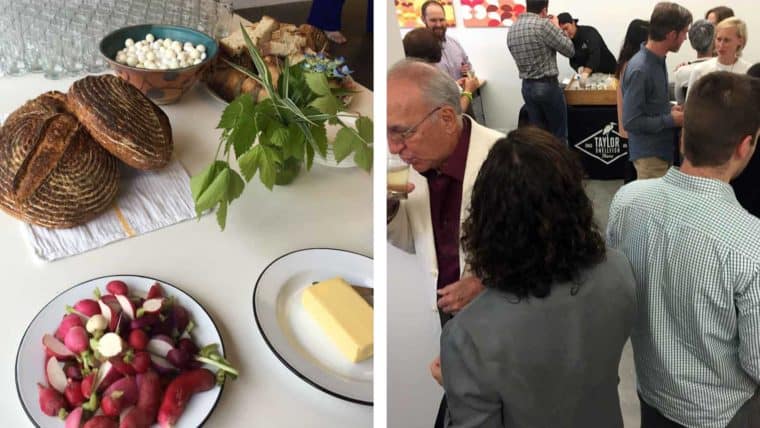
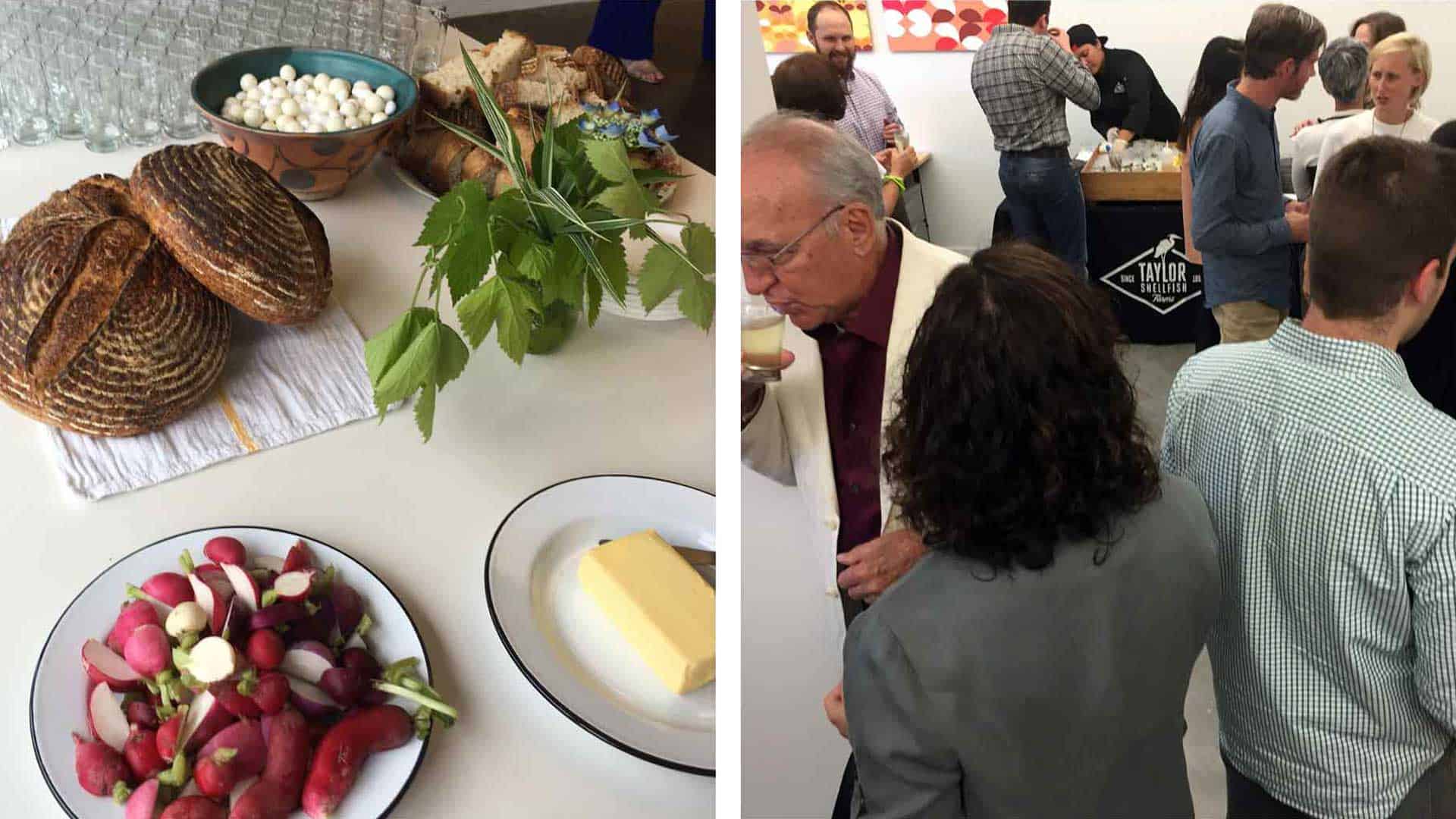
It is an exciting time at 2A as we continue to grow as a company and as storytellers. We couldn’t have done it without all of you! Which is why we threw a party – 2A style. It was an evening full of celebration for our newly renovated space, talented team, awesome clients and all of the other many extraordinary people in our lives. Everyone enjoyed shooting Taylor Shellfish Oysters, noshing on Sea Wolf bread and cheering collaboration with Dragon’s Head cider. Playing off of our company name 2A, we came up with the theme “Twice as” and it could not have been more fitting.

Twice as big

2016 has proven to be a year of growth for both our team and our space thus far. The 2A office recently doubled in size when we knocked down the wall between our office and the space next door. The only thing that could have added to the excitement is if we had taken a sledge hammer to the drywall ourselves.

Twice as local

As a Seattle based company, we wanted to support our local businesses by providing food & drink from some amazing vendors based right here at home. The cider was delivered from majestic Vashon Island, while the oysters and bread can be found in our very own neighborhoods of Capitol Hill and Fremont.

Twice as many oysters

There was no shortage of people around the mobile oyster bar catered by Taylor Shellfish Oysters. The Kumamoto and Shigoku oysters were expertly shucked on the spot for guests all evening. One of our clients made a comparison between the two types of oysters with wine and champagne. The Kumamoto was heartier and demanded a more acquired taste, similar to some red wines. The Shigoku was reminiscent of champagne; tasty and effortless to consume. Both are definitely worth experiencing for yourself.

Twice as fun

We are certainly no strangers to having fun around the office and getting to celebrate with our friends, family and clients made it all the merrier. In an age where so many of our interactions happen through technology, it was nice to take the night off, come together and do some storytelling the old fashioned way.

Twice As Party

Thanks to everyone who was able to join us. For those of you who couldn’t make it, we look forward to seeing you next time. Cheers!

Grandmother tries virtual reality

06/14/2016

VR and storytelling: time to get ready

By Jonathan Shaw

Grandmother tries virtual reality

A good friend of mine is a video game artist. About a year ago, he told me that he’d been testing out different virtual reality (VR) headsets at work, in preparation for the advent of mainstream VR gaming. On each headset, he watched a set of short interactive films. But it wasn’t that he was passively watching, he told me – rather, he was somewhere else, exploring, interacting. Although the characters (human or otherwise) in this environment were clearly computer animations, they felt absolutely real, in a fundamentally different way from any video game or film he’d ever experienced. These were other beings, with a sense of real presence. “More like a dream than anything I’ve ever experienced,” he said, in hushed tones, “and this absolutely changes everything.”

My friend is a skeptic and certainly not prone to hyperbole – I don’t ever recall him describing something with this much excitement. So when he says something is a big deal, it’s worth noting. These first encounters with VR (or MR, a related emerging medium) are happening frequently in 2016: people describe their low expectations beforehand, and afterwards express astonishment over how real the experience felt. VR experiences are already so convincing (and they’ll continue to get more realistic) that they quickly become physically and emotionally overwhelming. Users must take frequent breaks, and motion sickness is common.

Clearly VR will have a huge impact. How should we prepare for it? Here are a few practical observations for those, like our team at 2A, whose jobs involve storytelling:

  • Keep current on VR. The rise of the internet snuck up on many of us. The rise of VR will be a bigger deal. Don’t dismiss this as a niche field for sci fi hobbyists. Film festivals set the course for mainstream cinema, and this year VR was featured at the Tribeca Film Festival and in the Seattle International Film Festival, among other events.
  • Try it out. You don’t need to spend thousands of dollars on an Oculus Rift. For $15, Google Cardboard provides VR experiences that, while bare-bones, are still surprisingly compelling.
  • Understand the landscape. A VR/MR ecosystem is already forming. Get familiarized with the current state of the landscape. Where are the gaps? Think back to the rise of the web; there are lots of opportunities here for entrepreneurs and established businesses alike.
  • Get creative. A number of full-fledged VR ads have been produced over the past year, among them an immersive VR journey to a Patrón distillery. Develop a shortlist of ideas for how your organization could tell its story better through a format that lets others see and feel things from your perspective.
  • Consider guiding principles. Much has been said about the potential for VR to inspire empathy. However, more troubling possibilities also exist, such as the potential for addiction. As VR experiences pack an increasingly visceral punch, what are the ethical implications?

In the late 2020s, my one-year old son will be a teenager, and VR/MR technology will, in one way or another, play a role in his life. It’s fascinating to imagine what this will look like, and we know one thing for sure: we’ll all play a role in this story.

PC Building instructions

06/01/2016

PC Building

By Mitchell Thompson

PC Building instructions

A few months ago, I was in the market for a new computer. I was ready to move on from an older laptop to something with a little more power for all my gaming, editing, and rendering. Since I use my computer so often, I wanted to make sure I had one that really met my needs. I was going to build a new computer!

But why build a computer? Although I could probably find a computer online or off the shelf that would work out fine, the two big reasons I was looking to build my own were price and precision. Building my own computer ended up saving me hundreds, and because I customized each facet of it I was certain that all the parts would meet my needs. Plus, I was able to leverage past CS classes as I planned out the build. From knowing the difference between data memory and data storage to terms like POST, all those hours spent studying were finally paying off.

Because I was making such a big investment of time and money, I figured it would really pay off to do my research and get advice from people who had more experience than me. I posted on forums, consulted sites like PC Part Picker, watched tutorial videos, and spoke with experienced friends. I also looked for sales and rebates to make sure I could save money wherever possible – I even ended up cancelling an order that was about to ship because I found a slightly better deal elsewhere!

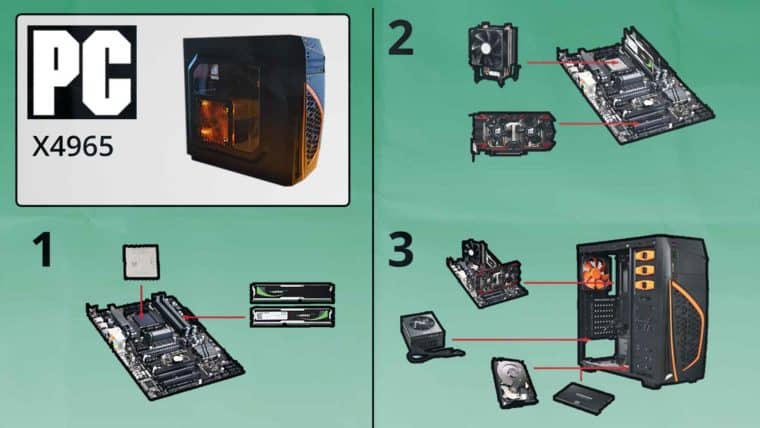
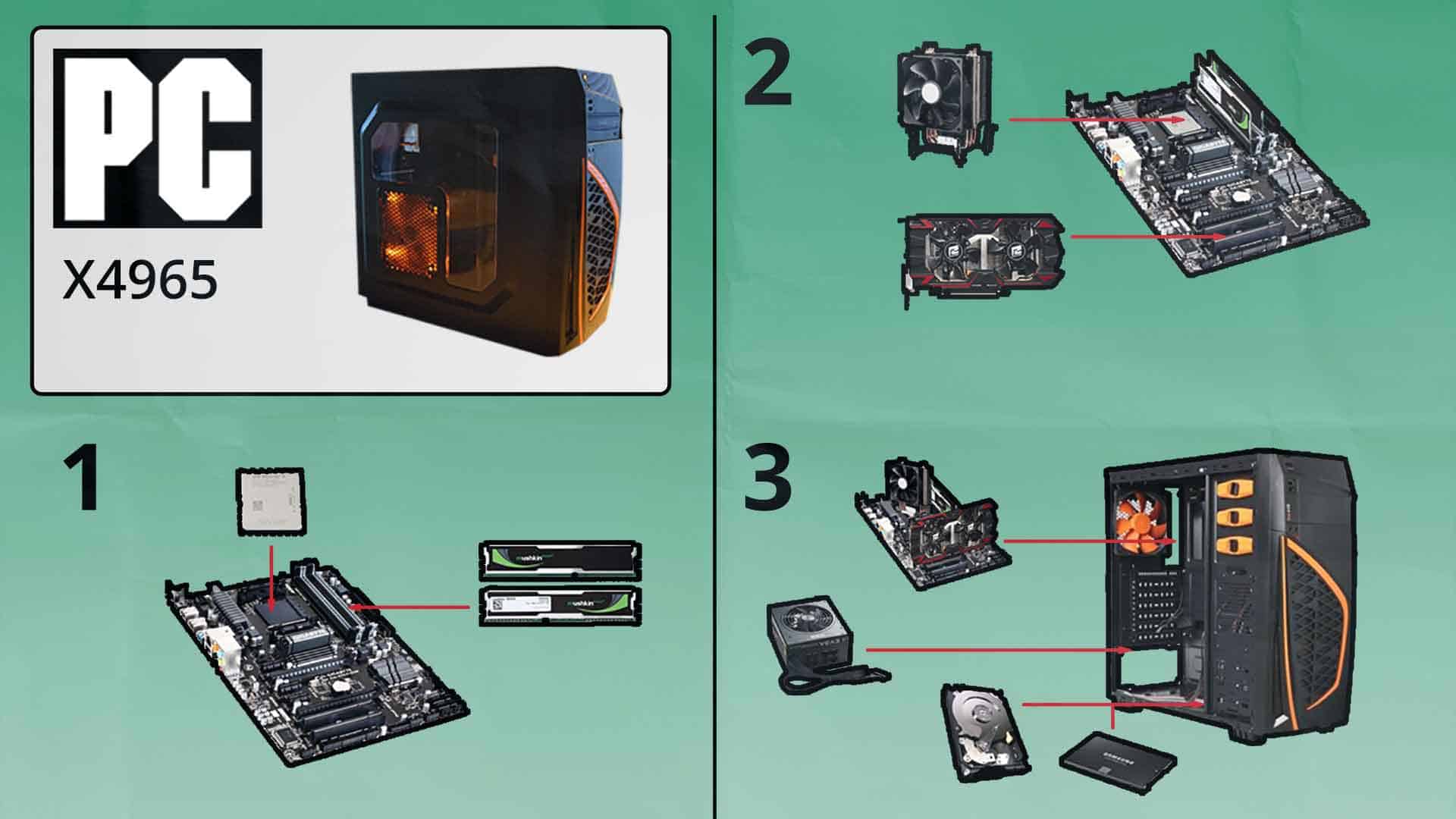
Once everything had arrived and I started the build, I found that putting all those expensive parts carefully into the case wasn’t as big of a hassle as I had expected. One friend had reassuringly described it to me as no harder than “putting together a LEGO set”, and he wasn’t too far off. Each part came with instructions of where and how to connect them, with each cable and slot clearly labeled. After several hours of steady hands and careful connections, it was an amazing feeling when I was finally able to hit the power button and watch it boot up.

PC

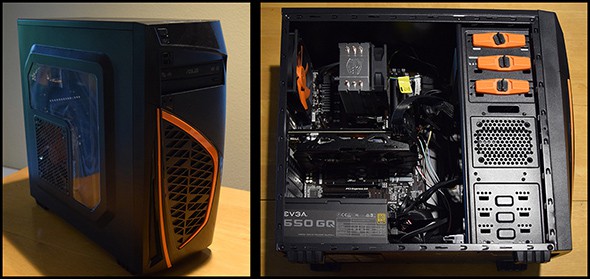
I’ve been using my new computer for several months now, and so far it’s been excellent. Games I could barely run on my old machine I can now turn up to maximum settings with ease. Videos play and render far more smoothly. But the best part is that I can take pride in having researched, planned, and built something that is uniquely mine.

At the 2A office, there have been sounds of construction as we expand and rearrange our office space. It’s an exciting time of transition as we continue building and advancing our unique consulting business. Just like the parts in a computer, the members of our close-knit team all play a part in shaping the course of the business. And like building a computer, the process of getting there can be a lot of fun too.

JAZZ

05/19/2016

Creating hit songs, in PowerPoint

By Soleil Kelley

JAZZ

We at 2A create, modify and polish beaucoup business presentations—from crisp keynotes to 100-slide mega-technical decks. Throughout the process of arranging presentations, I’m always struck by a parallel to songwriting. Ponder the following for a moment. The musical building blocks of a song typically include things like verses, choruses, bridges, solos; all with a lyrical story woven over its top. In business presentations, building blocks might include an opportunity, a challenge, a solution, examples of success; all with a lyrical pitch over its top. The building blocks of both songs and presentations are organized, consciously or not, in common arrangements, so I asked the question; what’s the equivalent of that billboard-topping 2-minute pop song arrangement?

When formulas work, they work. Sports teams, politicians, businesses, artists—they all have them. If you analyze the arrangement of most hit pop songs, in terms of its building blocks, you’d likely find this:  Verse—Chorus—Verse—Chorus—Bridge—Chorus—Chorus. And it’s no secret. Ok, what about jazz? Head—Solo—Solo—Solo—Head. Now, if you were to analyze the arrangement of 100 business presentations you’d most commonly find: Setting—Challenge—Opportunity—Company—Solution—Success stories—Call to action.  That’s pretty much your twenty-minute pitch. I can’t possibly analyze all of these leadership keynotes, but my guess is most follow a similar arrangement, weaving in their mission statement somewhere toward the beginning.  Technical decks are headier, like jazz: Context—How to do 1—How to do 2—How to do 3—How to do N—Call to action.

Of course in reality, one needs more than a formula to create a hit song or compelling pitch in PowerPoint, but it can be a good way to get past the intimidating silence of a blank page. Best-selling author Austin Kleon captured many a quote from artists to executives that illustrate just how deliberately people borrow ideas from others. Whether for songs or keynotes, I’d argue that it’s the interpretation of your influences, or the art of how you pitch your case, that matters most.

Make it look like something

05/05/2016

Make it look like something

By Mitchell Thompson

Make it look like something

Previously, we looked at a few ways to make your presentations not suck. How do you make sure a presentation truly stands out? The design approach can make or break a presentation. In our experience, the following seven design tips are invaluable.

  1. Make it look like something – Create a unified visual experience
    A bit of intentionality can go a long way in helping your presentation stand out.
  2. Keep it clean and simple Show main points, not fine details
    Limit content to the big ideas and embrace empty space.
  3. Limit color choices – Use contrast for emphasis
    Use a reduced palette for graphics, text and backgrounds. Consistency and simplicity in your color palette will help your audience easily navigate the presentation.
  4. Limit fonts Ensure fonts are complementary and related
    Choose one font family for your presentation and create hierarchy by using different weights and sizes.
  5. Support with imagery – Use images, not lists
    You’ve heard it before: a picture is worth a thousand words. Where possible, try and buck the bullet list impulse and use more slides with key points. A well-chosen image with minimal text will make your story more impactful.
  6. Think depth and flow – Use varying styles to reinforce pace and structure
    Adjust the slide design to fit the content: title slides, diagrams, and deep dives. Using color to mark sections is a great way to reinforce your presentation’s structure.
  7. Review with fresh eyes – Go over the entire show before presenting
    Use the slide sorter to get a feel for the flow of your presentation. Is it clear when there is a transition to a new section? Do the slides deliver a consistent experience?

As it turns out, looks do matter in the world of presentations. Make an investment in developing a well-designed presentation, and watch it pay off.

Link Light Rail station

04/20/2016

Light rail comes to our ‘hood

By Theresa Howe

Link Light Rail station

“Life is a progress, and not a station”

Emerson was on to something as he pondered the importance of change in our growth, something we’re experiencing a lot of in our neighborhood.

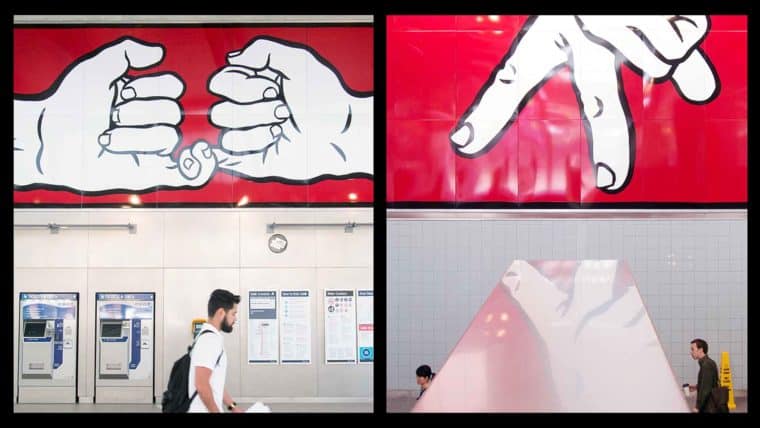
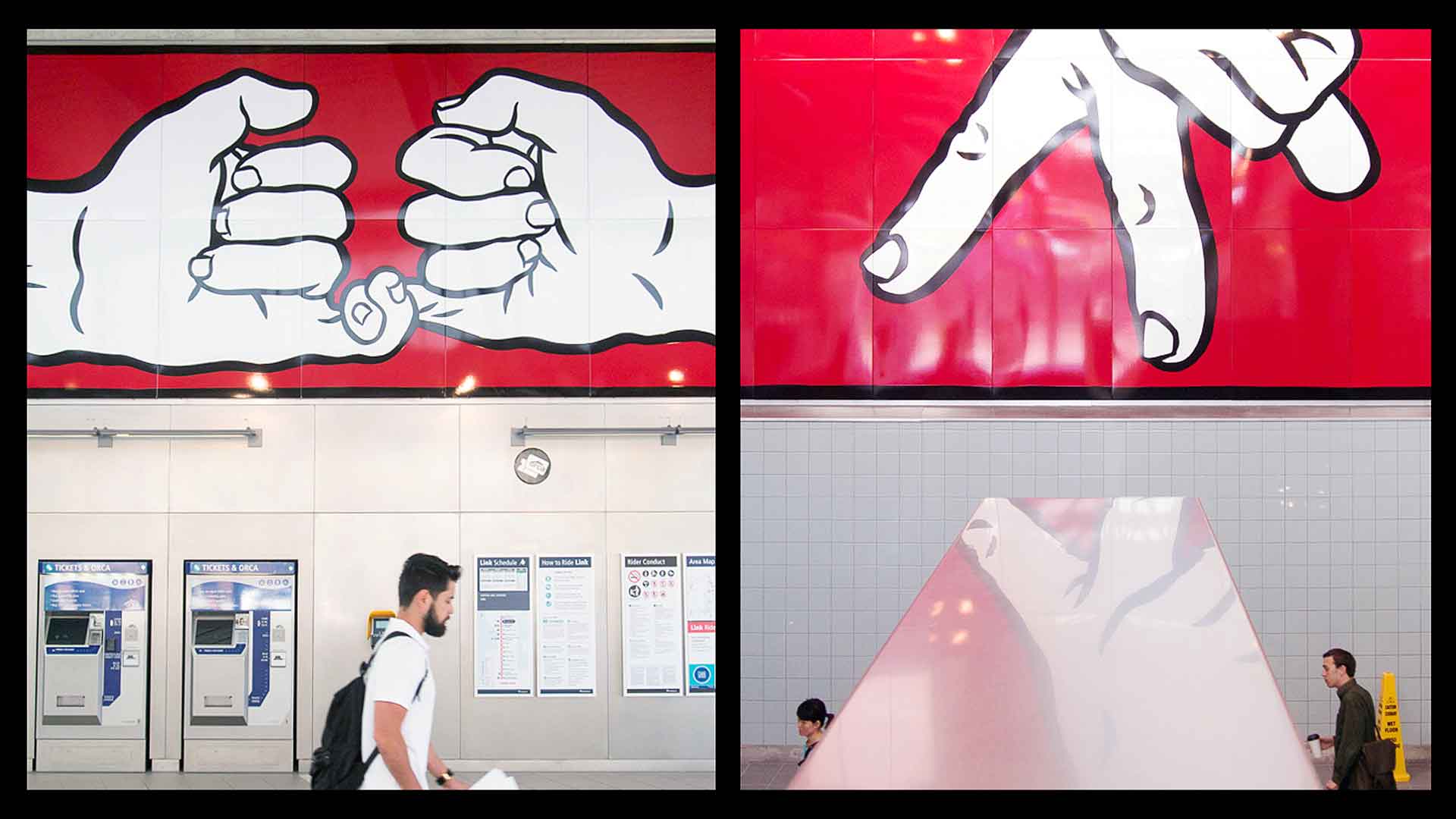
Capitol Hill recently saw the opening of our very own Link station. By extending the existing light rail with two new stations, Sound Transit now carries riders right to our neighborhood. This addition has increased ridership from 35,000 riders every weekday to over 50,000.

The new station is great for us: a 4-minute train ride to see our friends at Foster School of Business or visit clients downtown, and new commute options for the team. It’s also great for our community of local businesses as more people can come and go without taking scarce parking spots and adding to the gridlock.

In this case, maybe progress is a station.