How 2A consultants are putting AI to work
I asked 2A consultants how they use AI and got a peek at some very specific work habits. Think nine-minute voice notes and requests to poke holes in a perfectly promising narrative. From getting smart on a technical topic to checking whether a final draft hits the mark, our consultants are finding useful ways to put AI to work.
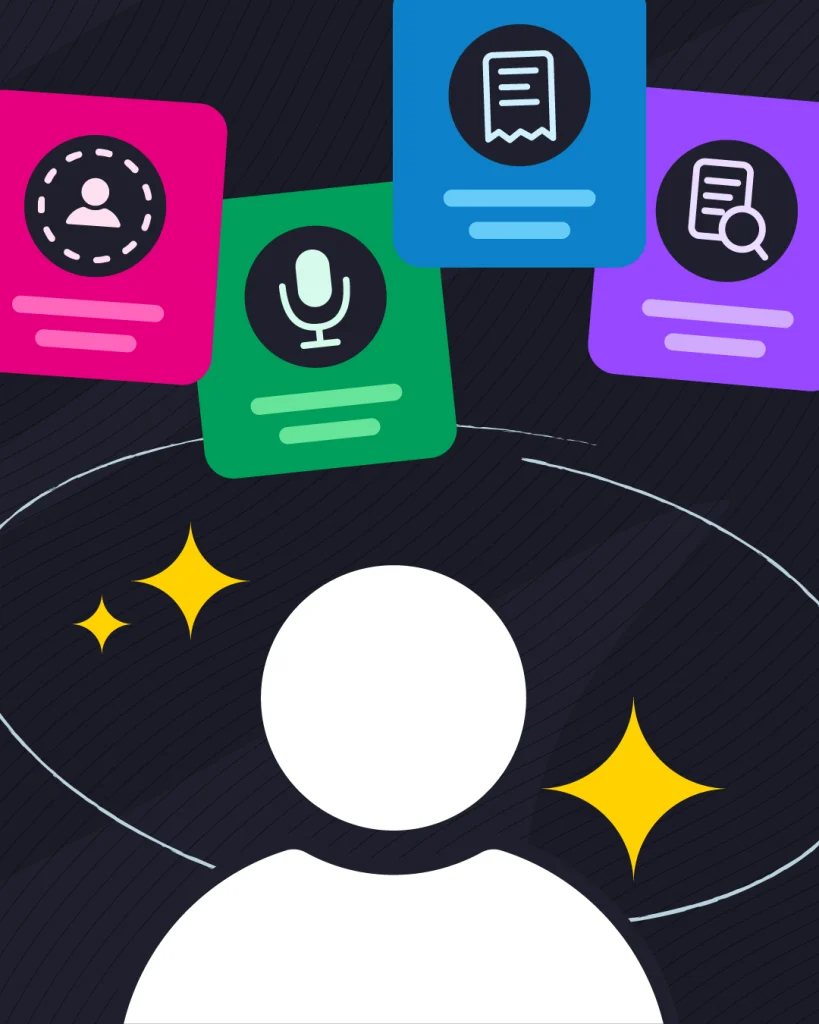
Meet four 2A consultants and their highly unofficial AI codenames.
The Voice-Note Strategist
The Voice-Note Strategist rarely starts by typing. They dictate context into ChatGPT, sometimes for nine minutes at a time, covering the client, past work, current ask, and everything else rattling around in their head. Then they ask AI to turn that stream of consciousness into targeted kickoff questions.
The first answer is only a starting point. They refine the questions through multiple rounds, often reaching the useful version around V8. They also use AI to translate dense technical resources into approachable language and organize complex emails packed with scope details, deadlines, and important stipulations.
The Narrative Stress Tester
The Narrative Stress Tester wants AI to poke holes. They give it their own persona research, a developing narrative nugget, and public information from competitors, then ask where the story is weak and whether a claimed differentiator really matters to the buyer.
That pressure test helps the team move beyond “our client does cool things” and toward a clearer answer to the question every audience is asking: Why should we care? They also use AI to check whether specific narrative pillars might overlap in the mind of the customer and organize new business proposal options clients can understand and sell internally.
The Audience Keeper
The Audience Keeper travels with the transcript. They bring the original client conversation and supporting resources into reviews so the language, direction, and intended audience stay present from discovery through final edits.
AI helps them compare drafts, spot places where a story has drifted, and identify gaps for the team or client to answer. They’re also experimenting with agents that review assets from specific perspectives, such as a CTO in the target audience or the product marketer who needs the deliverable to perform. The result is a consistent gut check on whether the work is clear, relevant, and true to the brief.
The Research Wrangler
The Research Wrangler uses AI as a fast research assistant and a search bar for their workday. It helps them refresh their understanding of complex security topics, prepare more precise kickoff questions, and find buried documents or emails across internal systems. Once, it surfaced a months-old email they knew existed but couldn’t locate.
It also turns unwieldy information into useful structure. The Research Wrangler uploaded a large ebook of customer story summaries and asked AI to create a spreadsheet listing every story. A week later, the client asked whether the team had a tracker. They did.
The human stays in the loop
At the bottom of every ChatGPT conversation, there’s a reminder that AI can make mistakes. That’s why human judgment matters. AI can help 2A consultants work faster, but they’re the ones who bring the client context needed to make its output useful. They know when to challenge a recommendation and what belongs in the final work.